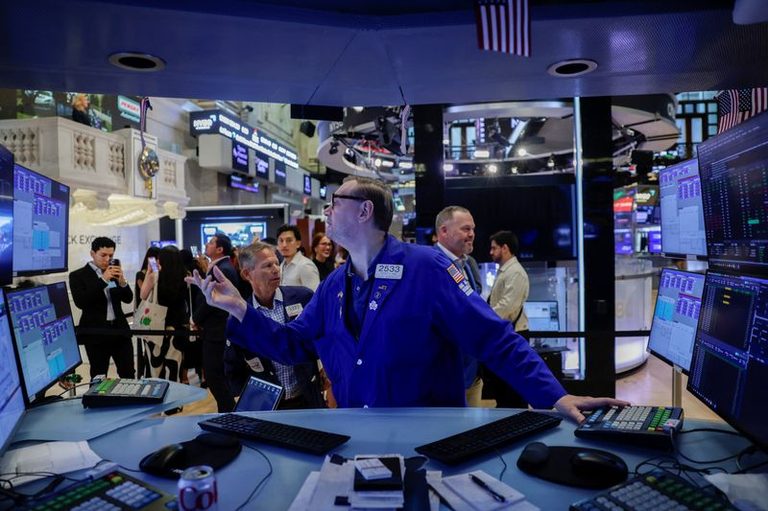
Investors are heading back from their August vacations to a growing list of challenges that could pressure both U.S. and global markets. The primary concerns include the ongoing war with Iran, the Federal Reserve’s September policy meeting, the Bank of Japan’s upcoming decision, and the prospect of a massive AI company going public.
Iran conflict fuels energy volatility
The war with Iran continues to drive uncertainty in oil and gas markets. Traders are watching the Strait of Hormuz closely, as any disruption to this key waterway could push energy prices higher, boost energy‑sector stocks, and increase inflation pressures on government bonds. In the short term, talks between Iran and Oman to keep the strait open are the focal point.
Federal Reserve and Bank of Japan in the spotlight
The U.S. Federal Reserve and the Bank of Japan are set to meet in the same week, raising the chance of heightened market volatility. Fed Chair Kevin Warsh, speaking at the Jackson Hole symposium, is expected to signal whether the Fed will raise rates at its September 16 meeting, with markets estimating roughly a 40% probability of a hike. Warsh’s typically sparse communication has left investors seeking clearer guidance.
In Japan, officials have recently intervened to strengthen the yen, and markets anticipate a possible rate increase on September 18. The tone of the BOJ governor’s remarks could shape the Japanese yield curve, with ten‑year yields approaching 3%, their highest level since the mid‑1990s.
AI mega‑cap IPO adds another layer of risk
Anthropic, an artificial‑intelligence firm, is rumored to be preparing a public offering that could raise as much as $100 billion, potentially making it one of the world’s largest listed companies. Analysts warn that such a massive IPO could further inflate AI‑related valuations and leave investors exposed if enthusiasm wanes.
European debt markets watch French and German bonds
France is expected to present its draft budget to the National Assembly soon, with policymakers aiming to keep the deficit in check ahead of the 2027 presidential election. Some analysts see a risk of rising French OAT yields, though they do not expect it to destabilize euro‑area debt markets. In Germany, Chancellor Friedrich Merz faces state elections and declining popularity, raising concerns that German bond yields could also feel pressure.
UK fiscal outlook under new Labour leadership
Britain’s new Prime Minister Andy Burnham and Finance Minister John Healey have not yet shaken markets, but their upcoming October budget and Labour Party conference will test the government’s ability to stimulate growth while adhering to fiscal rules. Ten‑year borrowing costs remain elevated but have eased from recent peaks.
U.S. midterm election backdrop
As the November midterm campaign heats up, gasoline prices—pushed above $4 per gallon by the Iran conflict—remain a focal point for voters. President Donald Trump has told Americans that higher fuel costs are a necessary price to defeat Iran, though some analysts suggest the administration would prefer prices to fall before the election. Treasury Secretary Scott Bessent’s efforts to lower borrowing costs are also tied to the political calendar, as higher long‑term rates could hurt mortgage borrowers ahead of the vote.
Overall, market participants will need to navigate a complex mix of geopolitical tension, central‑bank policy decisions, and speculative AI investment as September unfolds.
Original reporting: Appleton, WI News Feed (HLL/CB) — read the source article.