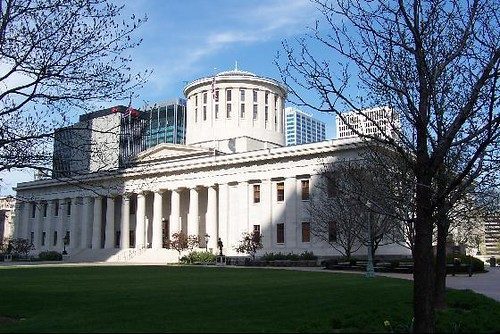
Columbus, Ohio – State legislators are moving to curb the rapid rise in foster‑care expenses that are straining county budgets across Ohio. House Bill 984, sponsored by Rep. Justin Pizzulli (R‑Scioto County) and Rep. Darnell Brewer (D‑Cleveland), would require the Ohio Department of Children and Youth (DCY) to create a uniform, reasonable rate schedule for counties when they place children in foster homes.
Why the bill is needed
County officials say the current system leaves them paying unpredictable fees that can surge when a child’s needs change. The cost of foster services has risen 68 % since 2020, even though the number of children in care fell to just over 14,000 in 2025, according to Rep. Brewer. In Vinton County, the placement of 16 children from the Siders family case forced the county to request $1 million in state assistance, highlighting the financial pressure on smaller jurisdictions.
“I don’t want to wait for another county to reach a breaking point,” Rep. Pizzulli said. “We have an obligation to protect these children and to make sure the system we build is financially sustainable for the future.”
County concerns
Under today’s rules, counties foot the bill for each placement, but they have limited insight into how rates are set. Tammy Moore Morton, director of Scioto County Job and Family Services, explained that providers can raise rates based on a child’s acute needs or past behavior, leaving agencies to decide whether they can afford what is in the child’s best interest.
“When the system breaks down is when we inevitably face whether we can afford to do what is in the best interests of the child,” Morton said. “It is sadly something we have to consider in the current system.”
Scioto County Commissioner Scottie Powell warned that without “guardrails,” rates will continue to climb, forcing counties to cut other services, increase reliance on property taxes, or even limit the number of children they accept.
How the bill would work
House Bill 984 proposes a collaborative rate‑setting process that includes both county children’s‑services agencies and foster‑care providers. The legislation is not intended to block providers from receiving additional compensation when a child requires specialized or intensive care; rather, it seeks to establish transparent, predictable baseline rates.
Rep. Brewer emphasized that the goal is not to pit counties against providers. “Our providers are essential for protecting Ohio’s children. We are trying to create reasonable guardrails, not barriers to appropriate care,” he said.
Rep. Pizzulli added that transparency is crucial because taxpayers ultimately fund these services. “If taxpayers are ultimately responsible for paying these bills then there needs to be a rationale and a transparent process for determining what those bills should look like,” he said.
State agency perspective
DCY legislative director Bryan Stout noted that the department has already been exploring a statewide rate structure but has faced challenges due to limited data from providers. Stout suggested the state could require more detailed reporting, potentially using licensing requirements or state payments as leverage if voluntary data collection remains insufficient.
The bill now moves to the next stage of the legislative process as Ohio officials continue to grapple with the rising cost of foster care while striving to keep placements safe and stable for children in need.
Original reporting: WOWO News/Talk (Fort Wayne) — read the source article.