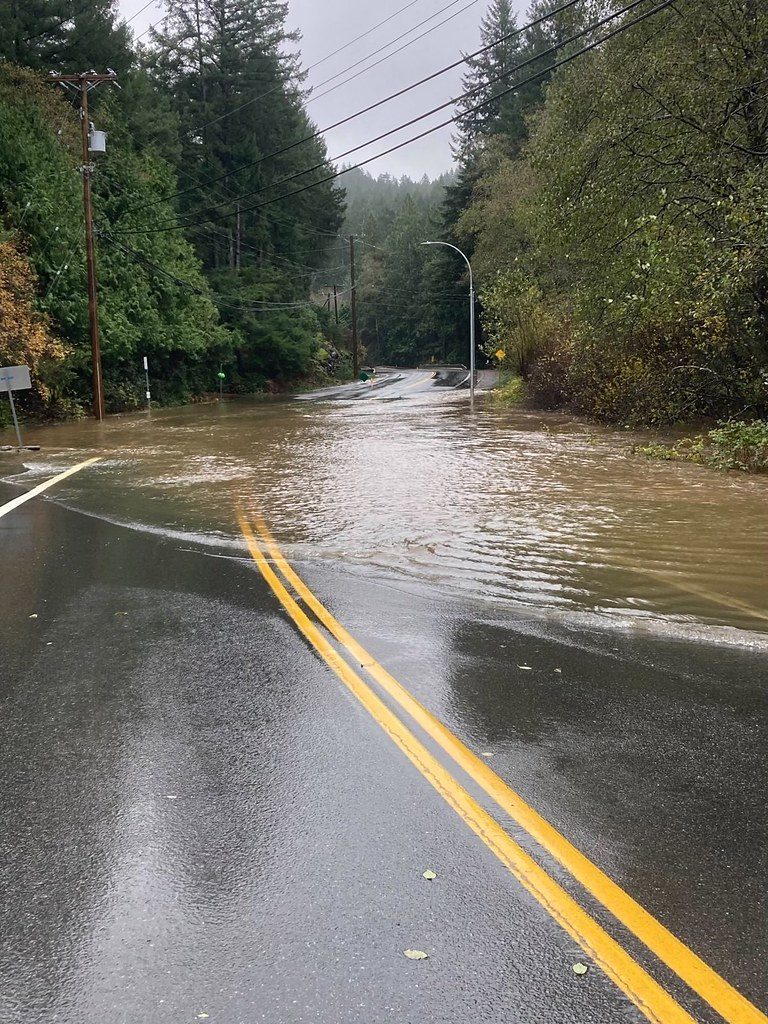
Historic flooding last week left Daleville farmer Jesse Landess surveying a field still covered in mud and standing water. The water rose 15‑16 inches, submerging the farm’s pumpkin patch, tomato tunnels and other crops just weeks before the fall harvest.
Pumpkins and tomatoes hardest hit
Landess told Fox 59 that the pumpkin patch is “basically gone” after the floodwaters could not be held back. Many plants were left with yellow, limp leaves, and while a few young pumpkins and blossoms remain visible, it is uncertain whether they will survive.
The farm’s tomato production, normally protected by three above‑ground tunnels, was also overwhelmed. “Two days ago they were all nice, green and full, and now they’re dead,” Landess said while standing inside one of the tunnels.
Financial impact and next‑season plans
Landess estimates the immediate loss will cost the farm between $5,000 and $8,000 in revenue. To meet customer demand, he may need to purchase or outsource pumpkins and melons that the farm would normally grow.
Long‑term planting plans are also delayed. The farm intended to plant about 7,500 strawberry plants for the next season, but the ground remains too saturated to set them in the soil. “We have 7,500 plants that are sitting in boxes that we can’t plant because it’s so wet,” he said.
Sweet corn and soybeans appear to have held up better, but Landess will not know the full extent of damage until the fields dry and the crops continue developing.
Expert perspective
Dan Quinn, an assistant professor of agronomy at Purdue University, explained that excess moisture can lead to rot, disease and reduced grain quality. He suggested that some farmers may need to harvest flooded fields earlier than planned to preserve what remains.
Family legacy and faith
Landess’s farm has been in his family for nearly a century, and he said this is the first time the family has faced flooding on this scale. Despite the setback, he remains hopeful, citing his faith: “Farming is a faith venture. You put the seed in the ground; there’s nothing more you can do… and you have to have faith that you’ll be taken care of by a higher power.”
For now, the farm waits for the water to recede and the soil to dry enough to determine what can still be harvested, what will need replacement and how the next planting season will move forward.
Original reporting: WOWO News/Talk (Fort Wayne) — read the source article.