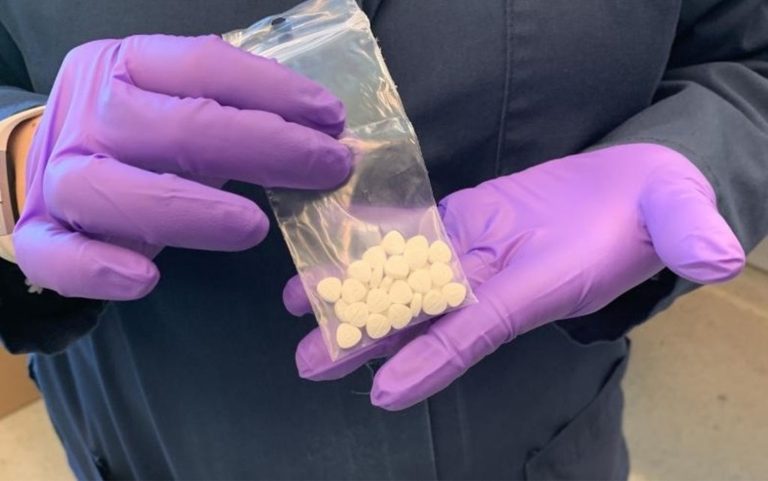
Cleveland, Ohio has been severely affected by the rise of nitazenes, a class of synthetic opioids that are up to 40 times more potent than fentanyl. The story of Ashley Delgado, a 29-year-old who died from a nitazene overdose, highlights the dangers of these drugs. Ashley’s death was ruled accidental, and toxicology tests revealed a mix of substances in her system, including protonitazene and metonitazene.
Nitazenes in Ohio
According to data from the Centers for Disease Control and Prevention (CDC), Ohio has recorded the highest number of nitazene-related overdose deaths in the US since 2021. In 2020, there were just four fatalities linked to the drug; in 2021 that number rose to 90. Between 2022 and 2024, there were 200 more deaths. The counties of Scioto, Butler, and Cuyahoga account for almost half of all nitazene detections across the state, by weight.
The U.S. Drug Enforcement Agency (DEA) has been tracking nitazene-related seizures since 2014, but it wasn’t until 2019 that they saw a marked increase. Since then, federal authorities have scheduled dozens of nitazenes as illegal substances, launched undercover operations, filed indictments, and imposed tariffs on China, where many of the laboratories manufacturing and supplying nitazenes and fentanyl are known to reside.
Combating the Crisis
Local organizations, such as Harm Reduction Ohio, are working to support individuals struggling with addiction and to raise awareness about the dangers of nitazenes. The state of Ohio has also taken steps to address the crisis, including issuing emergency executive orders to add nine different nitazenes to a list of drugs that are effectively banned from being made, distributed, or sold in the state.
Original reporting: Signal Cleveland — read the source article.