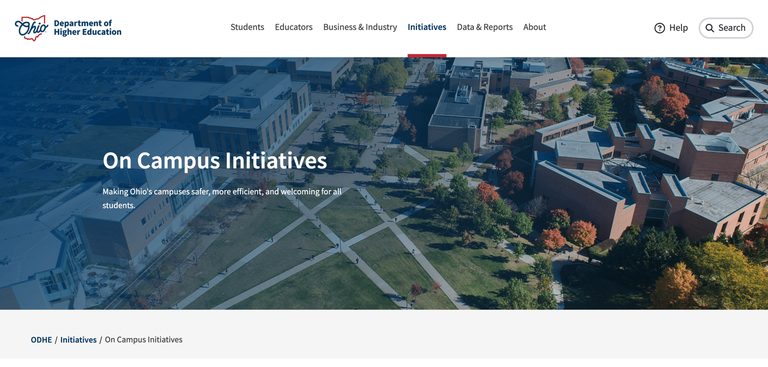
Ohio’s higher‑education leaders are once again deploying the state‑developed campus climate survey, a key component of the Ohio Department of Higher Education’s (ODHE) “Changing Campus Culture” initiative. The survey, now offered every other year, asks students about intimate partner violence, sexual harassment, stalking and non‑consensual contact or intercourse since they enrolled, as well as how confident they feel school officials would respond to a hypothetical incident.
Why a uniform survey matters
By using the same set of carefully selected questions across public and private institutions, Ohio creates a common data set that allows administrators to compare experiences statewide. “It gives us a fighting chance of understanding the experience of folks we would not know otherwise,” said Joseph Storch, general counsel at Excelsior University, who praised the consistency of the approach.
Funding and recent challenges
The initiative has been funded through the state budget since its launch in 2015, though recent appropriations have fallen. Lawmakers earmarked $400,000 for the 2026‑27 fiscal year, a roughly 71 % decline from the $1.4 million allocated two years earlier. ODHE officials acknowledge the budget pressures but stress that dedicated funding is essential for repeated surveys and the development of training toolkits.
Survey administration and response rates
Colleges may either use a direct link provided by ODHE or host the questionnaire on their own platforms, provided the questions remain unchanged. While the voluntary nature of the survey can affect participation, ODHE offers resources—including tips for boosting response rates, a library of recorded webinars, and a 156‑page toolkit released this year—to help institutions engage students effectively.
Recent pauses and the path forward
The survey program experienced three pauses since its inception, two due to COVID‑19 disruptions and one stemming from a federal requirement for a separate climate survey. ODHE chose to pause rather than duplicate effort, though the federal survey has yet to materialize. The latest pause ended with the 2024‑25 school year, and the new biennial schedule aligns Ohio with states such as New Hampshire and Maryland.
Impact on campus safety
ODHE officials claim the initiative has had an “overwhelmingly positive impact” on how campuses respond to and prevent sexual violence. More institutions now collect data on sexual assault, and participation in training programs has increased. Officials note that as campuses build trust in reporting processes, they may see higher reporting numbers—a sign that students feel safer coming forward.
Resources for survivors, including counseling and reporting assistance, remain available through national organizations such as RAINN (www.rainn.org). The upcoming survey cycle will provide fresh data that can be compared to the 2022 baseline, offering Ohio’s colleges a clearer picture of progress and areas needing attention.
Original reporting: Signal Cleveland — read the source article.