Oceanside residents will decide in the upcoming election whether to approve Measure S, a half‑cent sales tax increase that would lift the city’s sales tax rate to 8.75%. The measure is projected to bring roughly $20 million per year for the next ten years and includes provisions for a citizen‑run oversight committee and a transparent fund to track expenditures.
Why the City is Proposing a New Tax
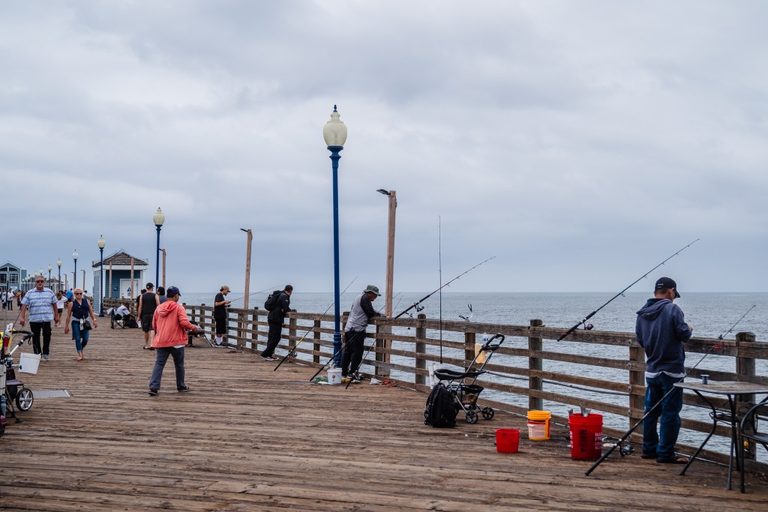
City officials say the primary driver is the deteriorating Oceanside Pier. The cement bridge beneath the pier is only a few years from the end of its useful life, and the city estimates a $60 million repair is needed. In addition to the pier, officials plan to use the revenue for road repairs, beach replenishment, replacement of aging facilities, a new fire station, a new police headquarters, and flood‑control work on the San Luis Rey River.
Recent Tax History
Two years ago, voters approved Measure X, a ten‑year extension of an existing half‑cent sales tax originally passed in 2018. That extension will keep the tax in place through 2036, and the city has already generated more than $100 million from it. Those funds have supported public‑safety services, infrastructure upgrades, and expanded homeless‑outreach programs.
Support and Opposition
The San Diego County Taxpayer’s Association has endorsed Measure S, praising the city’s “strong fiscal stewardship” and the added oversight mechanisms. However, some residents argue the city is asking for “double taxation” and label the proposal a “politicians’ slush fund.” A Facebook user wrote, “The city needs to plan how to spend the last sales tax increase before asking for more.”
Critics also point to the current cost‑of‑living crisis, noting that rising rent, groceries and gas are straining working families and seniors. While the tax would apply only to non‑essential goods, opponents contend that any additional cost is ill‑timed.
What Happens If Measure S Fails?
If voters reject the measure, the city will need to cut budgets to cover essential projects. Assistant City Manager Michael Gossman warned that without the new revenue, the pier repairs, a new fire station, a new police headquarters, flood‑control work, and beach erosion mitigation could face significant delays or reductions.
Candidate Positions
During a recent District 2 City Council forum, incumbent Councilmember Rick Robinson pledged to vote for Measure S, emphasizing beach replenishment as his top priority. Opposing candidates—Emily Gonzales, Ricky James and Oscarin Ortega—said they would vote against the measure, favoring street repairs and pothole fixes first. Perry Alvarez was absent from the discussion.
District 1 Councilmember Eric Joyce is also up for re‑election, facing challenger Michael Cline, though the tax measure is not a central issue in that race.
Local Context
Oceanside’s beaches have been losing sand for decades, a problem the city attributes in part to Camp Pendleton’s jetties that block natural sand flow. While federal assistance may eventually arrive, the city expects to shoulder a portion of the cost, potentially reaching hundreds of millions of dollars.
Measure S therefore represents a critical funding decision for the city’s infrastructure and public‑service needs, balanced against concerns about tax burden during an economic squeeze. Voters will see the measure on the ballot this November.
Original reporting: Voice of San Diego — read the source article.