Dr. Jennifer Ashton, board‑certified OB‑GYN who also focuses on nutrition and obesity medicine, told TODAY that fiber is poised to become the next nutritional cornerstone. “Fiber is the new protein,” she said, adding that it will soon be the go‑to nutrient for both men and women.
Why fiber matters for women
According to the Dietary Guidelines for Americans, women should aim for 20‑30 grams of fiber each day, with those over age 50 targeting at least 21 grams. Dr. Ashton notes that most adults fall far short of those numbers. “The vast majority of us, women and men, are not getting anywhere near the amount of fiber that we need every single day,” she explained.
Beyond supporting healthy digestion and heart health, fiber influences metabolism, the immune system, and hormone regulation. For women navigating menopause, adequate fiber may help modulate estrogen levels through the gut’s “estrobolome,” the community of bacteria that processes estrogen.
Dr. Ashton’s morning bowl
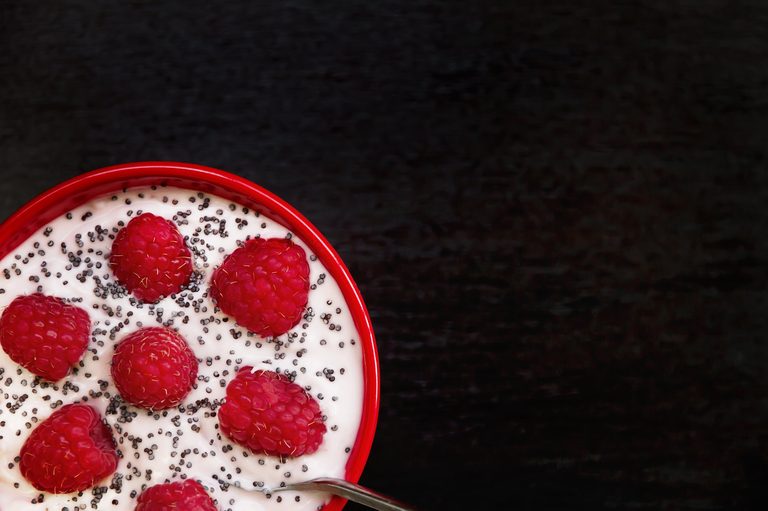
To make sure she meets her fiber goal early, Dr. Ashton prepares a bowl the night before that delivers about 15 grams of fiber—more than half of a typical woman’s daily recommendation. The mix includes flaxseeds, chia seeds, hemp seeds, wheat germ, and cacao nibs, all combined with soy milk and a half‑cup of raspberries.
Raspberries and chia seeds are especially fiber‑dense, while the soy milk and seeds add plant‑based protein and healthy fats, creating a balanced start to the day. Dr. Ashton cautions against assuming a few seeds or berries will add up to enough fiber. “Actually do the math so that you know you’re getting your 20 grams, your 30 grams,” she advised.
Practical ways to boost fiber all day
Readers don’t need to replicate the exact bowl. Adding fiber‑rich foods to meals and snacks can help reach the goal. Suggestions include:
- Stirring ground flaxseed, chia seeds, or extra berries into oatmeal or yogurt.
- Choosing a whole‑grain cereal with higher fiber content.
- Incorporating beans, lentils, or vegetables into eggs, salads, soups, and casseroles.
- Snacking on nuts, seeds, or fresh fruit.
By spreading fiber sources throughout breakfast, lunch, dinner, and snacks, most adults can comfortably meet or exceed the recommended intake.
Bottom line
Dr. Ashton’s message is clear: fiber deserves a prominent place on the plate, especially for women concerned about digestion, heart health, and hormonal balance during menopause. Starting the day with a fiber‑packed breakfast makes it easier to stay on track, and a little planning—like preparing the bowl the night before—can turn a healthy habit into a simple routine.
Original reporting: Richardson, TX News (HLL/CB) — read the source article.