Oatmeal’s reputation as a simple, budget-friendly breakfast gets a serious science-backed boost from experts like Julia Zumpano of the Cleveland Clinic’s Center for Human Nutrition, Sibylle Kranz of The Obesity Society, and Natalie Rizzo. This piece walks through what oats deliver nutritionally, why they matter for heart health and digestion, how they can relieve constipation, the best ways to eat them every day, and which varieties and toppings make the most sense for results and flavor.
Oats start life as a whole grain that’s been de-husked and processed into steel cut, rolled, or instant forms, and when you add hot liquid they become a creamy porridge. A typical half-cup of dry rolled oats cooks into about one cup and offers roughly 150 calories, 5 grams of protein, 2 grams of fat, 27 grams of carbohydrates and 4 grams of fiber. Beyond those macros, oats deliver important micronutrients that quietly support daily energy and bone health.
“It’s high in manganese, which is vital for metabolism and bone health, and it’s also great source of phosphorus and magnesium,” Julia Zumpano, a registered dietitian with the Cleveland Clinic’s Center for Human Nutrition, tells TODAY.com. You’ll also pull in iron, zinc and B vitamins—especially thiamin and pantothenic acid—that help your body run well from morning to night. Those nutrients make oatmeal more than empty carbs; it’s a foundation for a nourishing breakfast.
Oatmeal’s claim to fame is heart protection. “As a dietitian in preventive cardiology for 21 years, oatmeal has been such a staple in my practice,” says Zumpano. Clinical studies show oats can lower LDL cholesterol, and that effect owes a lot to a special soluble fiber in oats known as beta-glucan, which acts on the body in targeted ways that matter for cardiovascular risk.
Beta-glucan works by binding bile in the gut, and that matters for cholesterol control. “It binds to the bile in our gut, which is composed of cholesterol, therefore it can help with the excretion of bile and lower cholesterol,” Zumpano explains. Slower digestion from soluble fiber also helps blunt blood sugar spikes, while insoluble fiber gives bulk and movement—two different actions that combine for better metabolic and digestive outcomes.
Constipation is commonly defined as three or fewer bowel movements per week and can involve hard, dry stools that are uncomfortable to pass, a condition the Mayo Clinic describes in clinical terms. Food plays a huge role in prevention and relief, and oats are a useful tool because they combine soluble and insoluble fiber in one bowl. “We know soluble fiber helps soften stool and absorb water, softening stool and then the insoluble fiber adds bulk, aiding with regularity,” says Zumpano.
Oats don’t just move things along mechanically; they feed the gut’s microbial community. “Consuming oats can also help relieve constipation because it increases stool amount and weight, leading to more frequent need to defecate,” says Sibylle Kranz, Ph.D., registered dietitian and spokesperson for The Obesity Society. That prebiotic action of beta-glucan supports healthy bacteria, which in turn supports digestion and stool consistency.
One practical caveat: fiber needs water to work. “When you’re increasing your intake of fiber, it needs water to create that gel-like slippery softness that helps (stool) move through the digestive tract,” says Zumpano. Without adequate fluids, a sudden jump in fiber can backfire. “Fiber can be a double-edged sword because if you increase fiber too quickly without having enough fluids, it can actually worsen symptoms of constipation,” Zumpano adds, so increase fiber and fluids together.
Eating oatmeal every day is safe and beneficial for most people. “Oatmeal is absolutely healthy to eat every day,” says Zumpano. Kranz emphasizes consistency for the gut: “The best effects can be seen when soluble fiber is consumed on a regular basis, daily or at least every other day,” and small, steady habits pay off more than abrupt changes.
If you’re new to oats, build slowly. “If you’re not used to eating a high-fiber breakfast, so you’re an egg person and all of a sudden you start eating oatmeal every day, your body may need time to get used to it,” says Zumpano. “Instead of jumping to one cup of cooked oats, start at half a cup, or even a quarter cup, then build up from there,” she adds. That lets gut bacteria and digestion adapt without uncomfortable side effects.
Which oat type is best? The differences between steel cut, rolled and instant mainly come down to processing and texture, not vast nutritional gaps. Steel cut oats are least processed and slightly higher in fiber and protein by a gram or two, while rolled and instant oats cook faster and taste different. “The best type of oatmeal for you is the one you enjoy most, that fits into your schedule,” says Natalie Rizzo, dietitian and TODAY nutrition editor.
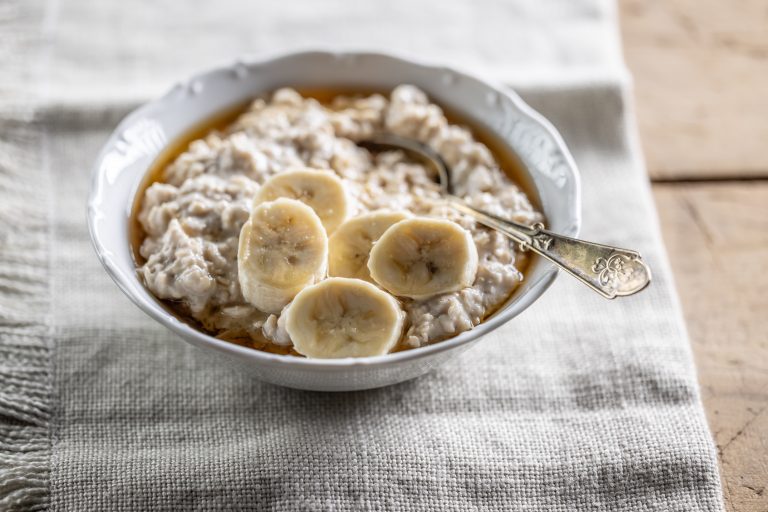
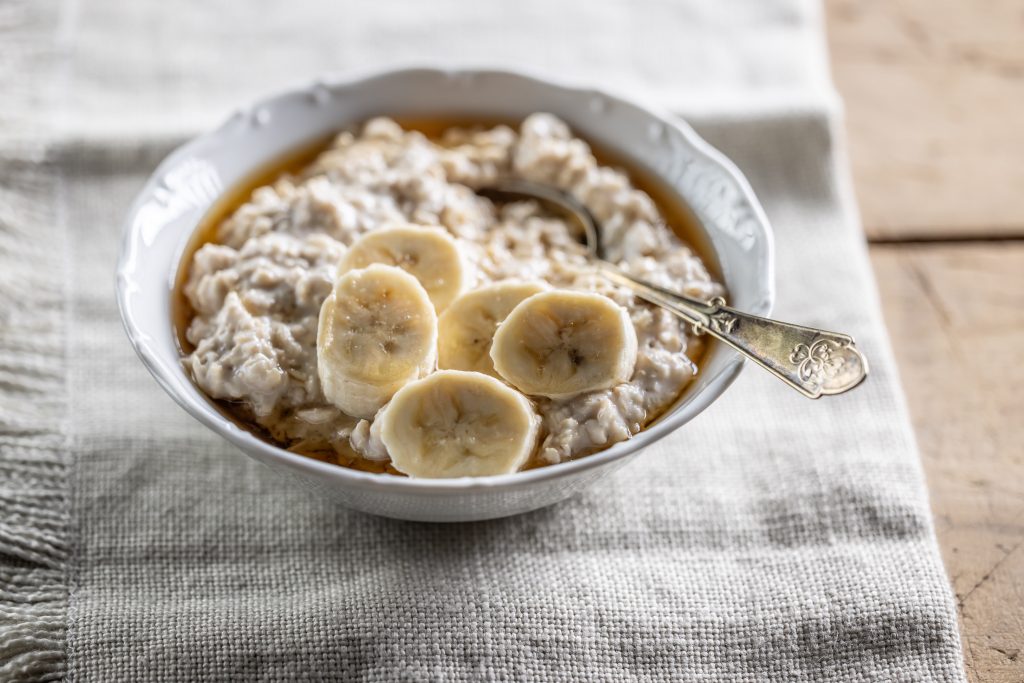
Toppings are where you can turn simple oats into a complete meal: nuts and seeds add protein and healthy fats, fresh or frozen fruit brings vitamins and sweetness, and Greek yogurt or a scoop of protein powder boosts satiety. Dried fruit like dates, raisins or prunes adds extra fiber if you want a natural sweetener, and savory options—eggs, avocado or sautéed greens—work great when you want to skip sugar. Spices such as cinnamon or cardamom lift flavor without empty calories, and a little honey or pure maple syrup can finish things if you truly crave sweetness.