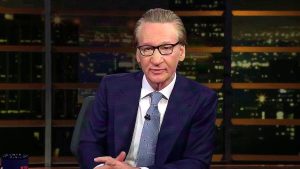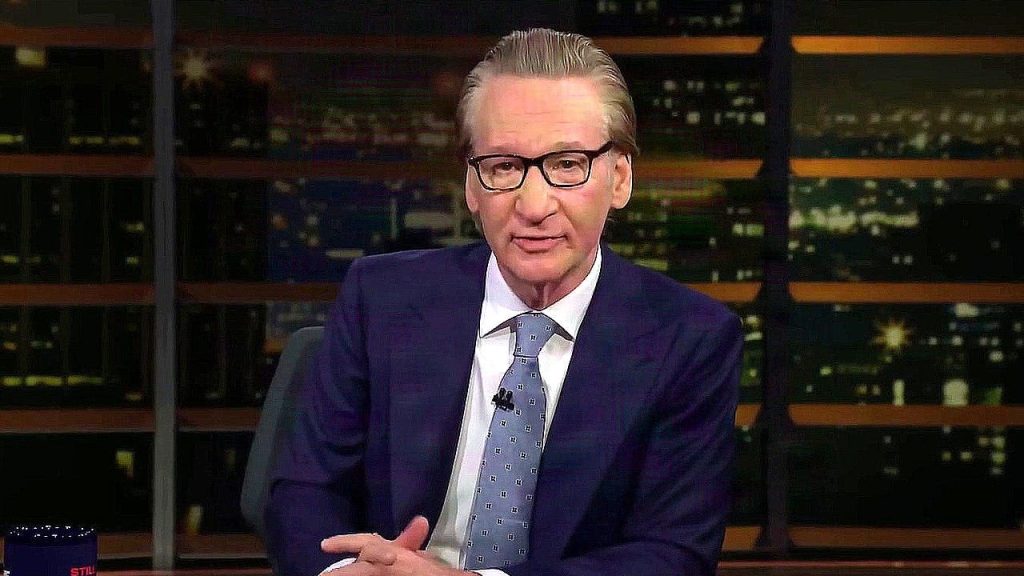
Bill Maher slammed Democrats on Real Time for what he called a tolerance of antisemitic rhetoric as Israel marked its 78th year. The HBO host, joined in critique by conservative and some academic voices, warned that silence from party leaders looks like permission. The piece also touches on the Israeli government’s move against The New York Times over Nicholas Kristof’s column and the uproar about a disturbing claim in that reporting. This article follows Maher’s rebuke and the wider debate about how America’s political and media elites are handling anti-Jewish hostility.
On his show, Bill Maher did not mince words about the tenor of current discourse aimed at Jews and Israel. “There is a frothing anxiousness for the literal extermination of this one group [Jews] and, Democrats, where are you?” he asked, putting the responsibility on Democratic leaders to speak up. The line came in the context of Israel’s birthday, but it was clearly a rebuke to a broader tolerance of aggression in public rhetoric.
Maher went on to call out the performative side of left-wing sympathy, arguing it is selective and hollow when the targets are Jewish. “If any other minority group was being talked about this way, you’d break out the kente cloth and have ten benefit concerts, but because you see that so many of your brainwashed-by-TikTok constituents now have an unfavorable view of Israel, you indulge them when you should be correcting them.” He positioned that indulgence as a moral and political failure.
He used blunt language to underline how far some rhetoric has strayed into cruelty. “You don’t tell your woke idiots that Israel isn’t a colonizer or an apartheid state or committing genocide and that, if you brats had to spend a week anywhere in the Middle East other than Israel, you would understand what liberalism is not.” That kind of frank rebuke aims to shock Democratic leaders out of passivity, Maher argued.
Maher made it personal and procedural, warning voters and party insiders alike: “Let me just say this to all who ask me, ‘Why are you harder on the Democrats than you used to be,’ until you fix this whole issue, stop asking me.” His point was simple—hold your own accountable first or expect critics to keep pushing back. For Republicans watching, his stance offered a rare on-the-left validation of concerns many have been raising about antisemitic trends.
He also took aim beyond party politics at media figures and campus voices whose language, he said, fuels hostility. “People say the left and the right can’t agree on anything these days. Well, there is this one thing they agree on.” Maher named the common ground as a disturbing cultural direction that both extremes sometimes enable, and he called out specific commentators and influencers for stoking it.
Maher tied the current atmosphere to the founding rationale for Israel, reminding viewers why a Jewish state came into being. “Israel was founded on the idea that antisemitism made a Jewish state [necessary] because Jews would never be safe without one. Can you honestly listen to this rhetoric and not see why that turned out to be true?” That historical framing was meant to shock those who underestimate the real, long-standing danger antisemitism poses.
He asked a sharp political question: “If you don’t have the right-wingers on your side and you don’t have the progressives, what do you have?” It was both a critique of Democrats who alienate broad constituencies and a warning that political realignment can follow when one party tolerates extreme language. Veterans like James Carville have made similar electoral warnings, noting the political cost of loud anti-Israel voices.
Maher did not shy away from invoking dangerous historical echoes to make his point. He said, “These are the kind of statements Goebbels would have read and said, ‘No notes.'” The comparison was meant to alert audiences to how propaganda-style rhetoric can normalize violence against a group, and why robust pushback matters.
The debate intensified after Israel announced it would sue The New York Times over Nicholas Kristof’s column, which critics called deeply flawed. Kristof’s piece, headlined “The Silence That Meets the Rape of Palestinians,” included allegations that drew widespread condemnation for accuracy and tone, especially the claim involving dogs. That controversy added a legal and moral layer to the conversation about responsibility in journalism.