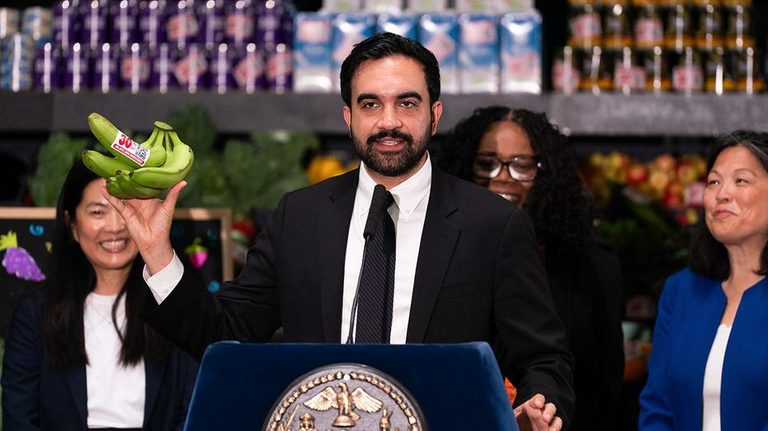
New York City officials are moving ahead with a plan to open five city‑run grocery stores, beginning with a location in Hunts Point, the Bronx, slated for late 2027. The administration says the stores will sell food at prices about 30% lower than comparable retailers by eliminating rent and profit‑margin costs.
How the plan would work
The Economic Development Corporation (EDC) will provide the real estate, cover major occupancy costs and set pricing requirements. Private operators will handle day‑to‑day tasks such as staffing, merchandising and product sourcing. In addition to the municipal stores, the city is exploring tax abatements, zoning benefits and other incentives to help existing independent grocers manage expenses.
Critics warn of double subsidies
Policy analyst Adam Lehodey of the Manhattan Institute called the discount structure an “illusion.” He argued that taxpayers will foot the bill for the subsidies while private grocers also receive rent waivers and other incentives, effectively paying twice for the same price reductions. Lehodey said the low prices could encourage resale and create shortages as shoppers buy more than they need.
E.J. Antoni, chief economist at the Heritage Foundation, raised concerns about the financial sustainability of a 30% discount for stores that typically operate on a 2% profit margin. Antoni warned that the model could force taxpayers to cover the shortfall and hurt small businesses that lose sales to the subsidized municipal stores.
City response
The EDC disputed the claim that the plan would harm neighborhood grocers, stating that the municipal stores are expected to generate additional foot traffic and benefit nearby businesses. While the agency previously hinted at possible grant programs for existing grocers, it later clarified that no grant proposals are under consideration. Instead, the city is looking at tax abatements, incentives and zoning benefits through existing programs such as the long‑standing FRESH initiative.
Waverly Neer, lead official for NYC Groceries at the EDC, said the agency is reviewing “complementary policies and programs” to support independent retailers alongside the city‑run stores. The administration also highlighted the OPEN for Small Business initiative, a package of more than 50 reforms aimed at reducing fines, fees and bureaucratic hurdles for small enterprises.
Potential impact on taxpayers and shoppers
If the municipal stores achieve the promised 30% price cut, shoppers could see lower grocery bills. However, analysts caution that the savings may be offset by the cost of subsidies, tax breaks and waived rents, ultimately borne by taxpayers. The true long‑term effect on the city’s budget and on existing independent grocers remains to be seen as the first store approaches its 2027 opening.
Mayor Mamdani’s office directed further comment requests to the EDC, which has not provided additional details at this time.
Original reporting: Fox News (HLL/CB) — read the source article.