New York City is making a significant step toward openness by publishing over 170,000 pages of previously undisclosed records related to air quality after the September 11, 2001 attacks. Mayor Zohran Mamdani held a news conference on Tuesday to unveil a searchable online portal that will allow anyone to view and download the documents at no cost.
Why the release matters
The newly released files include a fraction of the air‑quality reports taken at Ground Zero, internal memoranda, and the so‑called “Harding Memo” sent to then‑Deputy Mayor Robert Harding. That memo warned city officials that thousands of lawsuits could arise from exposure to toxic air and highlighted the lack of adequate protective equipment for workers. It also outlined possible legislative steps the city could take to limit its legal exposure.
Mayor’s message to families
“As the years pass and the human toll grows, we reckon with the cost of September 11 whenever another New Yorker is stolen from us too soon,” Mamdani said. “Now, close to 25 years later, more people have died from 9/11‑related illnesses than were killed on the day itself.” The mayor stood beside families of victims, first‑responders, and longtime advocate Jon Stewart, emphasizing that the city’s new transparency will help families understand the full scope of the health challenges they have faced.
Health impact of the toxic environment
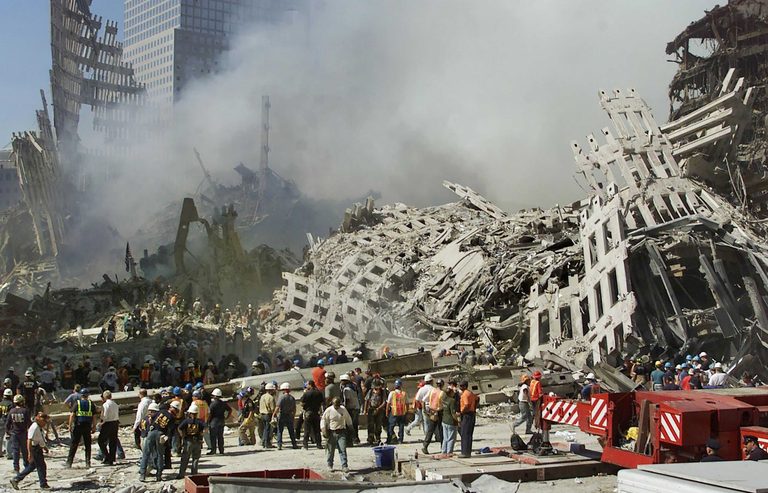
Survivors and first‑responders have long warned that the air around Ground Zero was contaminated with hazardous substances. Stewart noted, “There was poison in the air, and on the ground, and in the window sills, and in your air conditioners and covering your pets and your clothes, and it stayed there for months. Everyone knew. Now it’s very clear that the city knew as well.” The documents confirm that city officials were aware of the dangers but continued to assure the public that the air was safe to breathe.
What the portal provides
The searchable portal will let users explore the records, which were discovered in 68 boxes stored in a city government office last year. Officials expect to add more material on a rolling basis in the coming months, ensuring that the public has ongoing access to the full historical record. The release comes ahead of the 25th anniversary of the attacks, a poignant reminder of the lasting impact on the city’s health and its citizens.
Community response
Advocacy group 9/11 Health Watch, which sued the city for the records, welcomed the release. The group has long called for greater transparency and resources for those suffering from 9/11‑related cancers and other illnesses. While the city has not yet detailed any new health‑care initiatives, the availability of these documents is a concrete step toward accountability and may inform future policy decisions aimed at supporting affected families.
Looking ahead
Mayor Mamdani’s administration has framed the release as part of a broader effort to honor the memory of those lost and to provide tangible assistance to survivors. By making the records publicly accessible, the city hopes to foster informed dialogue about how to better protect New Yorkers in future emergencies and to ensure that the sacrifices of first‑responders are never forgotten.
Original reporting: WESH Orlando — read the source article.