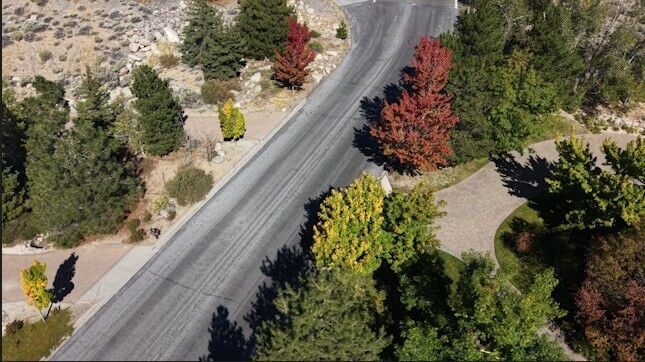
Residents of Northern Nevada can look forward to a classic autumn display even as summer heat lingers. Temperatures are still reaching the upper 70s to low 80s during the day, but the region’s trees are already beginning to shift from green to the reds, oranges, and yellows that signal the season.
Sun angle and chlorophyll drive the change
“During the growing season, you’re going to notice that the leaves are green. That’s because of chlorophyll,” explained Angela Schilling, a meteorologist with 2 News Nevada. “The green color is related to chlorophyll, which is also related to the amount of sunlight that we get. So, during the growing season, the sun angle is pretty high. Once we get into the fall season, the sun angle lowers, so you’re not getting as much sunlight.”
As the sun sits lower in the sky, chlorophyll production wanes, allowing other pigments—carotenoids and anthocyanins—to become visible. The exact hue a leaf displays depends on the tree species and the sugars stored in its tissues.
Water year influences color intensity
Water availability also plays a crucial role, not by determining whether leaves change, but by affecting how vivid those colors appear. “A common misconception is that it has been dry mainly because we had a snow drought,” said Dawn Johnson, a Warning Coordination Meteorologist with the National Weather Service. “If we’re talking rain or snow melt that has fallen, you’re actually near or just slightly above normal for the water year for pretty much all of our basins.”
Because the current water year is close to average, experts expect the foliage to be as vibrant as it was the previous year. In a drier year, the colors tend to be more muted, lacking the deep reds and bright yellows that make the season memorable.
Timing of peak color
For most of Northern Nevada, the peak of color change typically occurs in late October. That is when the combination of cooler temperatures, reduced sunlight, and adequate moisture aligns to produce the most striking displays across the region’s forests and foothills.
Where to see the best views
Residents and visitors can track the progression of foliage using the Fall Foliage Map 2026, which provides daily updates and forecasts for the most scenic spots. Popular viewing areas include the foothills around Reno, the Carson River corridor, and the higher elevations of the Sierra Nevada foothills.
Whether you’re planning a family hike, a weekend drive, or simply a walk through your neighborhood, the upcoming weeks promise a vivid reminder that even in a warm climate, nature’s seasonal rhythms remain strong. Keep an eye on local forecasts and enjoy the colors while they last.
Original reporting: 2news.com — read the source article.