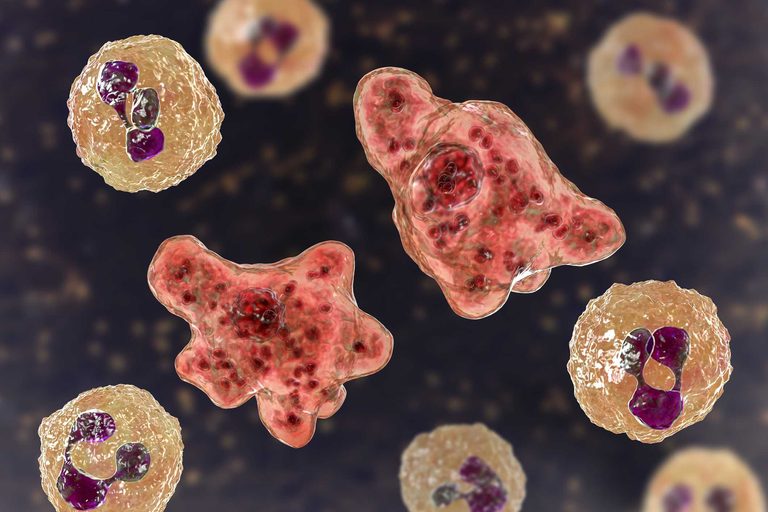
The North Carolina Department of Health and Human Services confirmed Thursday that a central‑North Carolina teen is critically ill with primary amebic meningoencephalitis (PAM), an infection caused by the microscopic amoeba Naegleria fowleri. The disease is extremely rare, with fewer than ten cases reported nationwide each year, and it is often fatal.
What officials say
State Epidemiologist Dr. Zack Moore expressed sympathy for the family, saying, “Our hearts go out to this teen’s family, friends and loved ones as they navigate this difficult time.” Details about the patient’s age or name were withheld to protect privacy.
How the infection occurs
Naegleria fowleri thrives in warm freshwater environments such as ponds, lakes, and rivers. It is not present in salt water or in properly maintained, chlorinated swimming pools. The amoeba does not cause illness when swallowed; infection happens when contaminated water is forced up the nose and reaches the brain. Activities that increase this risk include jumping, diving, water‑skiing, or any situation where water can enter the nasal passages.
Symptoms and prognosis
Early signs resemble a severe flu: headache, fever, nausea, and vomiting. As the infection progresses, patients may develop a stiff neck, seizures, and loss of consciousness. The disease advances rapidly, typically leading to death within about five days after symptoms appear.
Preventive steps
The department issued practical guidance for anyone engaging in warm freshwater recreation:
- Use nose clips, hold the nose shut, or keep the head above water to prevent water from entering the nose.
- Avoid submerging the head in hot springs, thermal waters, or other warm bodies of water.
- Refrain from jumping or diving into warm freshwater during periods of high temperature and low water levels.
- Do not stir up sediment in shallow, warm water, as the amoeba can reside in the bottom layers.
The agency noted that the amoeba grows best in temperatures up to 115°F (46°C), making hot summer months a higher‑risk period.
Investigation ongoing
Health officials have not disclosed the specific location where the teen was exposed, and the source of this particular infection remains under investigation. Residents are encouraged to follow the safety recommendations and stay informed about local water conditions.
Community response
Local schools, churches, and community groups have expressed prayers for the teen’s recovery and have offered support to the family. The incident underscores the importance of public‑health education on water safety, especially as climate trends push water temperatures higher across the state.
Original reporting: 40/29 / KHBS (NW Arkansas) — read the source article.