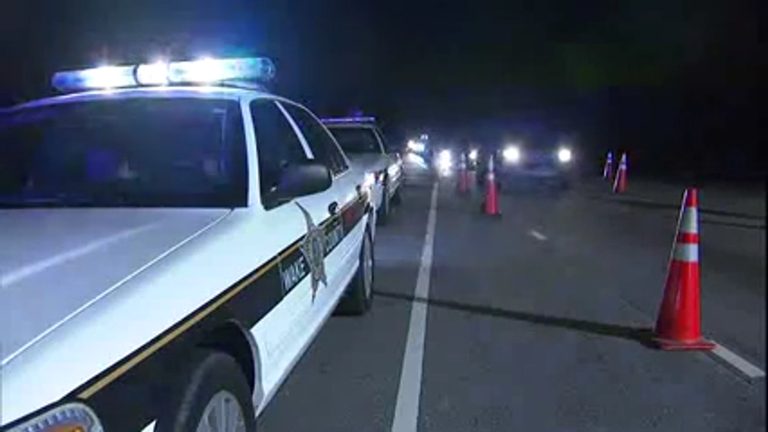


Western North Carolina saw a major traffic‑safety push over the Labor Day weekend as State Highway Patrol troopers conducted a focused enforcement operation. From Friday, Sept. 4, through Monday, Sept. 7, Troop F—covering Burke, Wilkes, Ashe, Alleghany, Caldwell, Watauga, Iredell, Alexander, Catawba and Lincoln counties—arrested 83 individuals for impaired driving.
Operation details
Troopers deployed saturation patrols and checkpoints throughout the four‑day period, increasing visibility on highways and rural roads. To aid chemical testing, the North Carolina Forensic Tests for Alcohol Branch provided “Booze It & Lose It” mobile testing buses in three of the counties, allowing rapid results and helping officers identify impaired drivers quickly.
Additional citations and charges
In addition to the 83 DWI arrests, the sweep resulted in 837 speeding citations and 248 restraint‑violation tickets. Overall, the Highway Patrol filed more than 2,700 charges during the operation, reflecting a broad effort to improve road safety during a busy holiday travel period.
Community impact
Local officials praised the crackdown as a proactive measure to protect families and travelers on the region’s highways. By targeting impaired driving and other traffic violations, the patrol aims to reduce accidents, injuries and fatalities that often spike during holiday weekends. Residents in the affected counties reported feeling safer on the roads, noting the visible presence of law‑enforcement officers as a deterrent.
Looking ahead
The State Highway Patrol indicated that similar enforcement operations may be scheduled for future holidays and peak travel times. Troop F’s continued focus on high‑risk behaviors—such as impaired driving, speeding and failure to use seat belts—aligns with the department’s broader mission to keep North Carolina’s roadways safe for all citizens.
Motorists are encouraged to plan ahead, avoid alcohol if they intend to drive, and obey posted speed limits and traffic laws. The patrol’s message remains clear: safety is a shared responsibility, and law‑enforcement will continue to act decisively to protect the community.
Original reporting: WRAL Raleigh — read the source article.