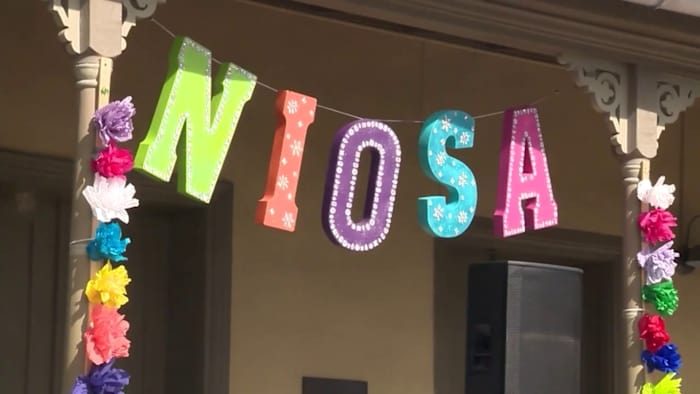
The San Antonio Conservation Society, the nonprofit that produces Night in Old San Antonio (NIOSA), announced that the beloved Fiesta‑era celebration will return in 2027. While the event’s continuation is assured, the society admitted that the location, timing and overall format remain undecided as it works to reverse a steep financial decline.
Financial challenges prompt a rethink
According to society president Betty Bueche, NIOSA generated no net proceeds this year, a stark contrast to the roughly $1 million in annual surplus the event enjoyed about twenty years ago. The shortfall stems from several factors: lower attendance, reduced space at the historic La Villita district where the festival has been held in recent years, and broader economic pressures that have left many families tightening their belts.
“Part of it is not having sufficient disposable income,” Bueche said. “Part of it is that people are being conservative right now and saving their money.” Those comments reflect a community that is increasingly selective about how it spends limited resources, making it essential for NIOSA to evolve into an experience that still draws crowds.
Exploring new venues and ideas
The society has opened a public feedback channel, inviting residents to suggest ways to reshape the event. Ideas already on the table include moving NIOSA to a different location, shifting the festival to another time of year, updating music and entertainment, revising food offerings, and addressing downtown parking challenges.
One suggestion that has gained traction is the Coliseum grounds near the Frost Bank Center on San Antonio’s East Side. Bueche noted the society’s longstanding support for preservation projects in that area, particularly the historic Baptist settlement, and expressed a “strong interest” in the East Side as a possible new home for the festival.
Preservation mission remains central
For 78 years, NIOSA has been a fundraising engine for the Conservation Society’s preservation and education programs. The organization provides tours for fourth‑grade students, offers grants to owners of historic homes and small‑business buildings, supports an endowed professorship at the University of Texas at San Antonio’s School of Architecture, and honors historians and preservationists.
Past successes include helping save the Granary at Mission San José, the Espada Aqueduct, Casa Navarro, the Old Ursuline Academy and the Aztec Theatre. Those achievements underscore why the society is determined to keep NIOSA alive, even as it reexamines the event’s scale and scope.
Financial safeguards and next steps
The Conservation Society has set aside reserve funds to help launch the next NIOSA once a plan is finalized. Bueche assured the public, “Rest assured that we will have an event. Where it will be and exactly what it will consist of, those are the things that we’re discussing.”
Since 1988, the society has paid nearly $15.3 million in fees to the city and contributed $5.2 million to the La Villita Fund, which still holds about $900,000 for future improvements. The organization also covered its own expenses and city fees related to this year’s NIOSA.
Community input will shape the future
The society’s leadership will meet with NIOSA team members on Thursday, Aug. 27, to discuss cost‑reduction strategies and to review public suggestions. Residents are encouraged to continue submitting ideas as the society works toward a decision on the festival’s next location, timing and format.
While the exact shape of NIOSA in 2027 remains uncertain, the commitment to preserving San Antonio’s historic heritage and providing a family‑friendly celebration endures. The community’s involvement will be pivotal in ensuring the event reflects both fiscal responsibility and the cultural values that have made it a San Antonio tradition for nearly eight decades.
Original reporting: San Antonio, TX News (HLL/CB) — read the source article.