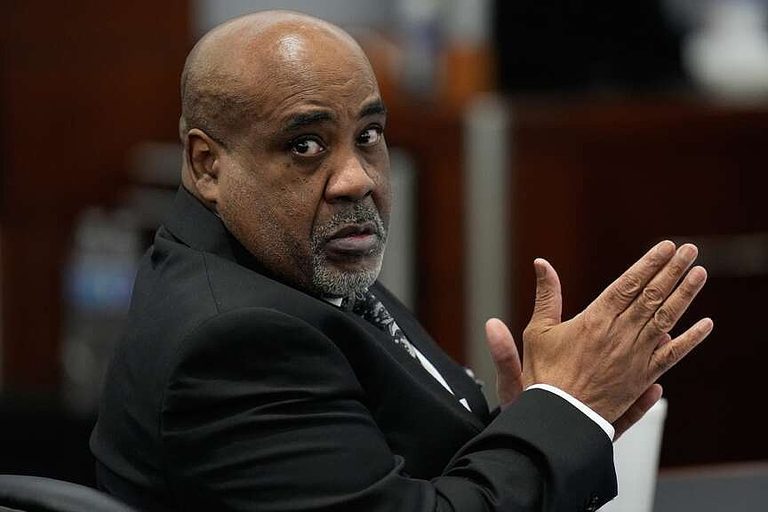
LAS VEGAS — Prosecutors concluded their presentation on Wednesday in the murder trial of Duane “Keffe D” Davis, the alleged mastermind behind the 1996 killing of rapper Tupac Shakur. The state called 24 witnesses, including former gang detectives and former police officers, to outline the alleged conspiracy.
Key testimony from former gang investigators
A former Compton gang detective testified that Davis was a high‑ranking “shot caller” whose authority meant younger Crip members would not have opened fire on Shakur without his permission. Former Compton police officer Robert Ladd described Davis as a leader of the South Side Compton Crips who could order younger members to act.
Prosecutors did not claim Davis personally fired the shots that killed Shakur in Las Vegas. Instead, they allege he organized the shooting in retaliation for a casino brawl earlier that day involving Shakur and Davis’ nephew, Orlando “Baby Lane” Anderson. Under Nevada law, anyone who helps another person commit murder can be convicted of the crime.
Details of the alleged plot
Ladd testified that the shooting sparked a ten‑day gang war in Compton between the South Side Crips and the Mob Piru set, resulting in three killings and ten attempted murders. He also said that Anderson, a younger gang member, could not have opened fire from the Cadillac without Davis’ permission. “If Davis had told the others to handle the dispute later, there wouldn’t have been a shooting,” Ladd said.
Davis has previously told reporters he was riding in a white Cadillac with Anderson and two other men when they pulled alongside Shakur and Death Row Records co‑founder Marion “Suge” Knight in a black BMW. In a 2008 police interview played for jurors, Davis claimed he supplied the gun and that Anderson fired it.
Defense prepares to counter
Defense attorney Michael Sanft told the judge he has a detective and two police officers ready to testify. He emphasized the lack of physical evidence linking Davis to the Las Vegas shooting, noting that aside from Davis’ own statements, there is no phone record, forensic evidence, or corroborating documentation placing him at the scene.
Ladd acknowledged that investigators collected bills and letters from Las Vegas hotels linked to Anderson and Davis, but the dates and current location of that evidence remain unknown.
Next steps in the trial
The defense is slated to begin its case on Thursday. Davis has not yet decided whether he will testify in his own defense. The trial continues to draw national attention as it revisits one of hip‑hop’s most infamous unsolved murders.
Original reporting: Texarkana Gazette — read the source article.