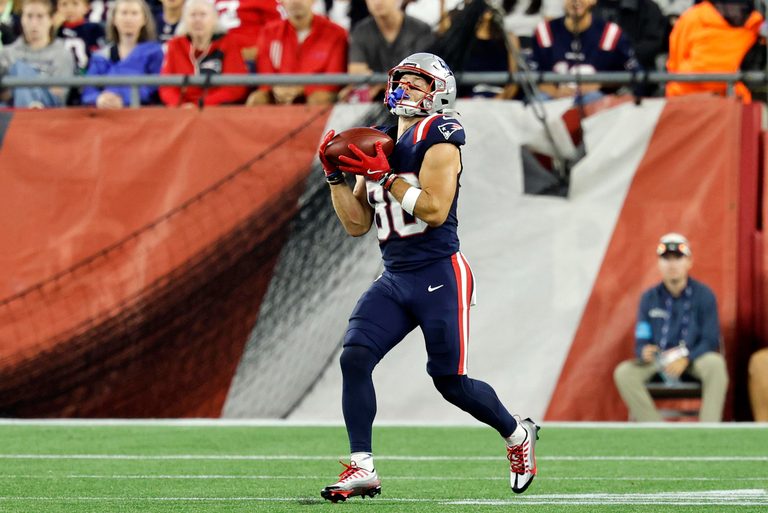
The National Football League released its rulebook amendments for the 2026 season, aiming to balance competitive fairness with player safety. While the changes affect every team, the most notable updates involve onside kick procedures, expanded officiating authority, and adjustments to the dynamic kickoff formation.
Onside kick can be declared at any time
Under the new Rule 6, Section 1, Article 6, teams may now announce an onside kick regardless of the score or quarter. Previously, a team trailing in the fourth quarter could declare an onside kick, and a later amendment allowed a trailing team to do so at any point in the game. The 2026 revision removes the trailing‑team requirement entirely, giving coaches full discretion to attempt an onside kick whether they are winning or losing.
Despite the added flexibility, the success rate of onside kicks remains low—fewer than 8% of attempts have been recovered since the league introduced the “dynamic kickoff” alignment in 2024. The league continues to explore alternatives, such as a fourth‑and‑long play that would let the kicking team retain possession if they convert.
Officials gain broader review powers for flagrant fouls
Rule 19, Section 2 expands the role of league personnel in reviewing on‑field incidents. The Replay Official and designated members of the Officiating Department may now consult with on‑field officials even when no penalty has been called. If they determine a foul—whether football‑related or non‑football‑related—is flagrant, they can instruct the crew to disqualify the offending player before the next legal snap or kick.
This authority also applies to actions not called on the field. Should the officiating staff, after reviewing video, deem an unpenalized act flagrant, they may still order a disqualification, with a penalty assessed once the player is removed from play. The rule emphasizes video‑based evidence and requires the decision be made before the ball is next legally put in play.
Kickoff alignment tightened for safety
Rule 6, Section 1, Article 3 modifies the player alignment on the receiving side of the dynamic kickoff. Teams must now line up a minimum of five players with their front foot on the restraining line, down from six previously required. Additionally, the “setup zone” now permits four players instead of three, but at least one must line up between the sideline and the in‑bounds line on each side of the field, preventing clusters directly in front of the returner.
The restraining line for the kicking team remains the receiving team’s 40‑yard line, while the receiving team’s restraining line stays at their 35‑yard line. The receiving team’s setup zone is the five‑yard area between the 35‑yard and 30‑yard lines.
Touchback placement standardized, loophole closed
The league also closed a loophole that allowed teams to kick the ball out of bounds from the 50‑yard line to gain better field position. Previously, a touchback placed the ball at the 30‑yard line, while an out‑of‑bounds kick from the 50‑yard line resulted in placement at the 25‑yard line. Effective 2026, all touchbacks will be placed at the 20‑yard line, and any out‑of‑bounds kick from the 50‑yard line will now place the ball at the 40‑yard line—the same spot as a standard kickoff.
These adjustments reflect the NFL’s ongoing effort to protect players while preserving the strategic elements that make the game exciting for fans nationwide.
Original reporting: All Sports Feed (HLL/CB) — read the source article.