The National Football League has taken decisive steps over the last ten years to protect players from head injuries, a move welcomed by families, faith‑based groups, and anyone who values the health of our athletes. Beginning with its first formal concussion protocol in 2009, the league has added layers of oversight, stricter return‑to‑play criteria, and rule changes that directly target the most dangerous moments on the field.
Independent medical oversight
In the 2014‑2015 season the NFL placed Unaffiliated Neurotrauma Consultants (UNCs) on the sidelines for the first time. These physicians operate independently of team staff, removing the conflict of interest that critics long argued compromised player safety. The presence of UNCs has become a permanent fixture, ensuring that concussion evaluations are objective and medically sound.
Rule changes that matter
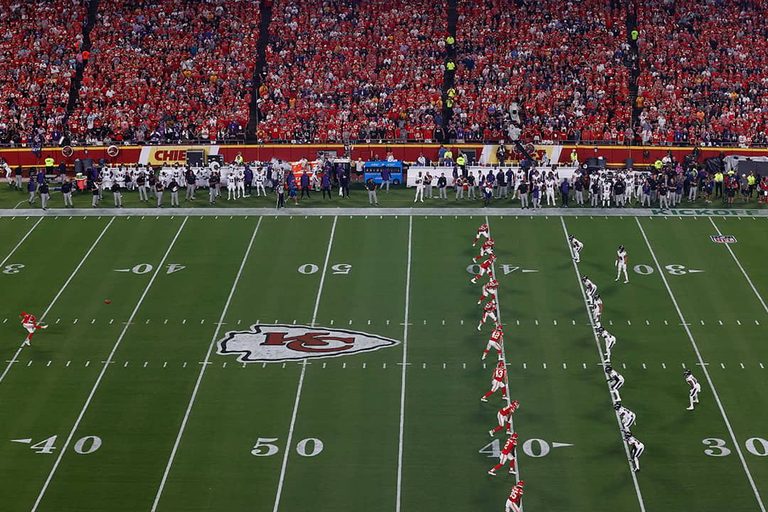
Kickoff plays have historically produced a disproportionate share of head injuries. In response, the league introduced the “dynamic kickoff” format in 2024. Under the new rule, the kicking team lines up at the 40‑yard line and cannot move until the ball is caught or lands, eliminating the high‑speed running start that amplified collisions. NFL Football Operations reports a 43% drop in kickoff‑related concussions compared with the 2021‑2023 average.
While a peer‑reviewed study in the Orthopaedic Journal of Sports Medicine noted mixed results for kickoff concussions, the league’s comprehensive data—covering all games and practices—still shows a clear downward trend.
High‑profile incidents drive faster action
The back‑to‑back injuries to Miami Dolphins quarterback Tua Tagovailoa in September 2022 highlighted gaps in the protocol. After a hit that caused visible instability, Tagovailoa was initially cleared for a back injury, only to suffer a concussion four days later. The NFL and NFLPA responded by replacing the vague term “gross motor instability” with “ataxia,” a specific neurological sign. Any player showing ataxia is now automatically ruled out for the remainder of the game, removing subjectivity that once allowed premature returns.
The NFLPA also dismissed the UNC who evaluated Tagovailoa during the first incident, marking the first time an independent consultant has been removed for a concussion assessment—an unprecedented step that underscores the league’s commitment to accountability.
Results and ongoing debate
The 2024 season recorded the fewest concussions since the league began systematic tracking in 2015, with the preseason setting a separate low of 44 concussions across practices and games. Chief medical officer Dr. Allen Sills attributes these gains to the dynamic kickoff, improved helmet technology, stricter enforcement of existing safety rules, and broader cultural shifts toward player health.
Researchers caution that better detection can inflate reported numbers, making historical comparisons tricky. Nonetheless, the documented record shows a measurable shift: more independent oversight, clearer return‑to‑play criteria, higher equipment standards, and rule changes that have demonstrably reduced high‑risk situations.
What’s next?
The concussion protocol, originally crafted by the NFL’s Head, Neck and Spine Committee in 2011, is reviewed annually. Revisions in 2013, 2016, 2018, 2022 and beyond have each added specificity or expanded independent medical involvement. While some researchers and former players argue the pace of reform could be faster, the trajectory is unmistakably toward greater safety—a development that aligns with the values of strong families, responsible stewardship of our youth, and the liberty of athletes to play without undue risk.
As the NFL continues to refine its approach, parents, coaches, and faith communities can take confidence that the league is listening to medical expertise and acting in the best interest of its players.
Original reporting: KRDO (Colorado Springs metro) — read the source article.