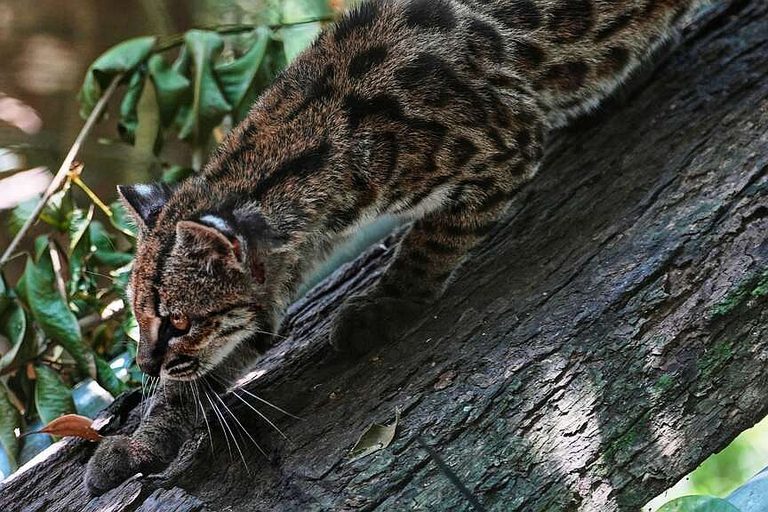
In the cloud forests near La Paz, Bolivia, a tiny spotted feline has captured the imagination of travelers and conservationists alike. The animal, affectionately called Tigrino, was formally recognized this week as a new wild‑cat species, Leopardus tilcayo, the first living cat species described by scientists in more than a century.
Discovery and Description
The species was detailed in the peer‑reviewed journal Current Biology. Measuring just 18 inches (46 cm) from head to the base of its tail and weighing about 3 pounds (1.4 kg), Tigrino is smaller than the average domestic cat. Its coat is covered with large, leopard‑like spots that set it apart from other members of the genus Leopardus.
From Sanctuary Resident to Conservation Symbol
Tigrino has lived at the Senda Verde Wildlife Sanctuary since 2017, when a local family brought him to the facility after an unsuccessful attempt to keep him as a house pet. Sanctuary co‑founder Marcelo Levy explained that the new‑species designation has turned the shy cat into an “ambassador for conservation.” He added that the attention helps highlight the urgent need to protect Bolivia’s tropical forest habitats, which are home to many endangered wildlife species.
Because the cat is easily stressed, sanctuary staff keep him out of public view most of the time. When the Associated Press visited on Sunday, Tigrino emerged briefly, sniffed the air, paced a short distance, and then retreated back into the foliage. Visitors are asked to respect his privacy and observe from a distance.
Tourism Boost and Community Impact
Since the scientific announcement, the sanctuary has seen a noticeable increase in visitors from across Bolivia and abroad. Travelers hope to catch a glimpse of the elusive feline and learn about the broader conservation efforts in the region. Levy noted that the influx of tourists provides modest economic support for the sanctuary’s staff and local vendors, while also fostering a deeper public appreciation for the country’s natural heritage.
“He’s such a tiny animal, and he has become something so important,” Levy said. “We hope his story inspires people to protect the forest that sustains him and countless other species.”
Conservation Outlook
Scientists stress that the discovery of Leopardus tilcayo underscores how much remains unknown about Bolivia’s biodiversity. Protecting the cloud‑forest ecosystem is critical not only for this new cat but also for the myriad plant and animal life that depend on it. Conservation groups are using Tigrino’s story to advocate for stronger forest‑preservation policies and sustainable land‑use practices.
While the sanctuary continues to prioritize the animal’s well‑being over tourism, the growing public interest offers a hopeful sign that wildlife preservation can align with community development.
Original reporting: Texarkana Gazette — read the source article.