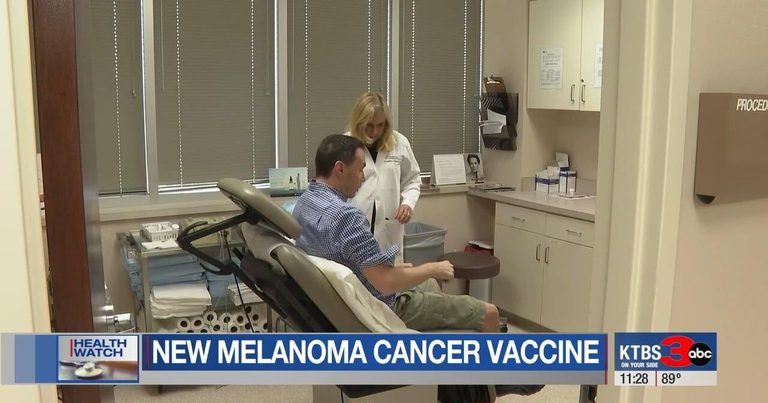
Shreveport, La. — A team of doctors and scientists at Willis Knighton Health is advancing a personalized vaccine that could become a new weapon against high‑risk melanoma, one of the deadliest forms of skin cancer.
How the vaccine works
The experimental treatment uses messenger RNA (mRNA) technology to create a vaccine tailored to each patient’s tumor. Doctors first harvest cells from the patient’s melanoma, isolate the tumor’s unique antigens, and then produce an mRNA‑based shot that teaches the immune system to recognize and attack those cancer cells.
“We harvest cells from the tumor, concentrate these cells and produce a vaccine that then is targeting specifically your tumor,” explained Dr. Josephine Futrell, a dermatologist at Willis Knighton Health. “It’s injected back into the body and provides an immune response to combat your disease.”
Early results are encouraging
In early trials, patients who received the vaccine alongside the FDA‑approved immunotherapy drug Keytruda experienced a roughly 49% reduction in cancer recurrence over a five‑year period compared with standard treatment alone. The combination appears to boost the body’s ability to keep residual melanoma cells in check after surgery, radiation or other therapies.
Melanoma is traditionally treated with surgery, radiation and immunotherapy drugs that help the immune system target cancer cells. Researchers hope that adding a personalized vaccine will improve long‑term outcomes and lower the chance that the disease returns.
Regulatory status and next steps
While the vaccine has shown promise, it has not yet received FDA approval and is not currently available to patients outside of clinical trials. The research team plans to expand enrollment and conduct larger, multi‑center studies with the goal of seeking approval as early as 2027.
“We are optimistic that this approach could become a standard part of melanoma care within the next few years,” Dr. Futrell said. “Our ultimate aim is to give patients a treatment that is both effective and tailored specifically to their disease.”
What this means for the community
For families in Shreveport and the broader Louisiana region, the development offers hope that cutting‑edge cancer therapies are being pursued close to home. The research underscores the importance of local medical institutions partnering with national biotech innovators to bring advanced treatments to patients without requiring travel to distant research hubs.
Patients interested in learning more about the trial can contact Willis Knighton Health’s oncology department for eligibility information.
Original reporting: KTBS 3 (Shreveport) — read the source article.