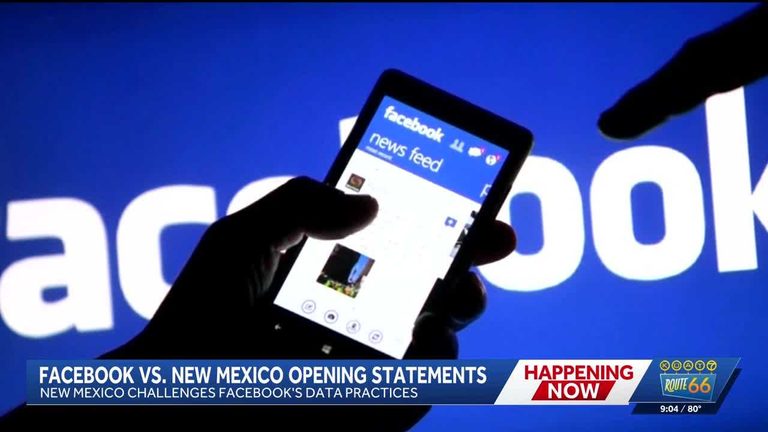
Santa Fe – The New Mexico Attorney General’s Office and Facebook began a high‑stakes trial on Thursday, each delivering an hour‑long opening statement. The state alleges that Facebook knowingly misrepresented its data‑sharing practices to users, while the company argues it acted quickly to curb abuse after the Cambridge Analytica scandal.
State’s allegations
Attorney General Randi McGinn told the jury that Facebook’s slogan of “move fast and break things” reflects a corporate culture that prioritized growth over user privacy. She cited the sheer scale of third‑party access, noting that the platform once allowed 9.7 million apps to retrieve user information, with 2,812 identified as having misused or suspected of misusing data.
McGinn highlighted the Cambridge Analytica case, where a professor harvested data from roughly 270,000 individuals and their friends under the pretense of academic research. The data was then used to create targeted political advertisements during the 2016 election, including messages aimed at both Republican and Democratic voters.
Facebook’s defense
Facebook attorney Dane Butswinkas countered that the state’s case is incomplete and that the company has taken responsibility for past missteps. He emphasized that Facebook entered a settlement with the professor involved, publicly committing to delete the improperly obtained information.
Butswinkas also pointed to recent actions, such as suspending 125,000 apps that misused user data, expanding app‑review processes, and launching annual reviews of third‑party applications. He said the company has reduced unnecessary permissions, introduced data‑abuse programs, and updated its policies publicly, informing users of the changes.
What’s at stake
The jury will determine whether Facebook violated New Mexico’s Unfair Practices Act and, if so, how many violations occurred. A guilty verdict would leave sentencing to the judge, who would set any applicable penalties.
This trial follows a series of legal actions across the country aimed at holding large technology firms accountable for privacy practices. While the outcome remains uncertain, the proceedings underscore growing scrutiny of how personal data is collected, shared, and used for political purposes.
Community impact
For New Mexico residents, the case raises important questions about the protection of personal information and the transparency of online platforms. The state’s effort reflects a broader push to ensure that companies prioritize user privacy and adhere to state consumer‑protection laws.
Original reporting: KOAT Albuquerque — read the source article.