The Dallas Police Department announced a major tightening of its Flock automated license‑plate reader program on Tuesday, limiting outside access to the system to 202 Texas law‑enforcement agencies – down from more than 1,500 agencies previously authorized. The department also stopped sharing Flock data with federal law‑enforcement partners, a move approved by the city’s Public Safety Committee.
Why the change?
City officials said growing concerns about privacy and Fourth Amendment protections prompted the review. While the technology helps investigators locate stolen vehicles, find missing persons, and link vehicles to crimes, questions have been raised about how long the data is retained and who can search it.
Current scope of the program
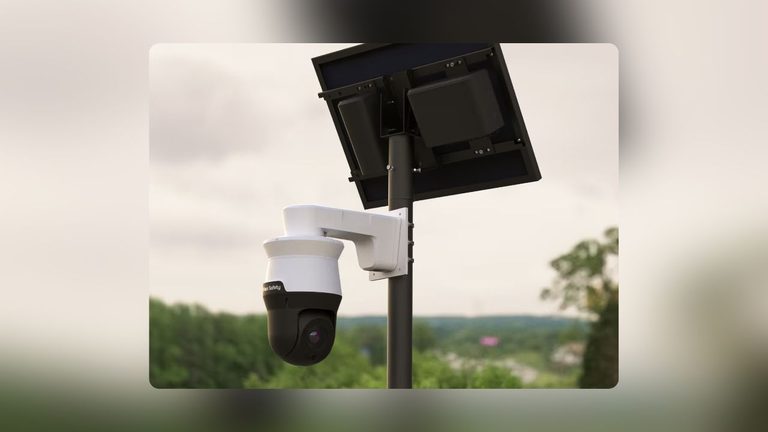
Dallas operates more than 600 Flock cameras across the city. Of those, 321 state‑funded cameras are slated for removal on September 15 after Governor Greg Abbott halted state funding, citing privacy concerns. More than 300 other cameras – funded by the city – will remain active.
The department retains captured images and associated data for 365 days. Searches of the system must be tied to a specific case number, yet nearly 2,000 Dallas police officers and city employees have been granted access, according to department data presented to the committee.
Impact on investigations
DPD officials highlighted the investigative value of the cameras. Data released by the department shows that Flock alerts contributed to solving 12 homicide cases in Dallas so far in 2026, representing 14% of homicides solved through August 24, compared with 10% in 2025. The system is also used in investigations of stolen vehicles, robberies, assaults and wanted persons.
Police stressed that a Flock alert alone does not establish probable cause; officers must verify the information before taking enforcement action.
Industry response
Trevor Chandler, head of policy and public affairs for Flock Safety, told committee members that each law‑enforcement agency controls its own data and decides which other agencies may access it. He said the company is developing additional auditing tools to detect unusual searches and alert departments when activity appears atypical.
Chandler also noted that the mere existence of a captured image does not mean police are actively using the information against someone who is not the subject of an investigation.
Local government decisions
The Dallas City Council recently voted against a proposal to cut $1.5 million in city funding for the remaining Flock cameras. That decision ensures that more than 300 cameras will continue operating after the state‑funded devices are removed.
At least 23 Texas local government entities have already ended or reduced their use of Flock cameras in recent weeks, according to reporting by the Dallas Express.
Next steps
The city will continue to evaluate the program’s retention policy and access restrictions. Officials said they will keep publishing information about camera locations, data‑sharing practices and audit policies to maintain transparency and address community concerns.
As Dallas balances public‑safety benefits with privacy safeguards, the narrowed data‑sharing arrangement reflects a growing emphasis on limiting access to law‑enforcement tools to those who truly need them.
Original reporting: The Dallas Express — read the source article.