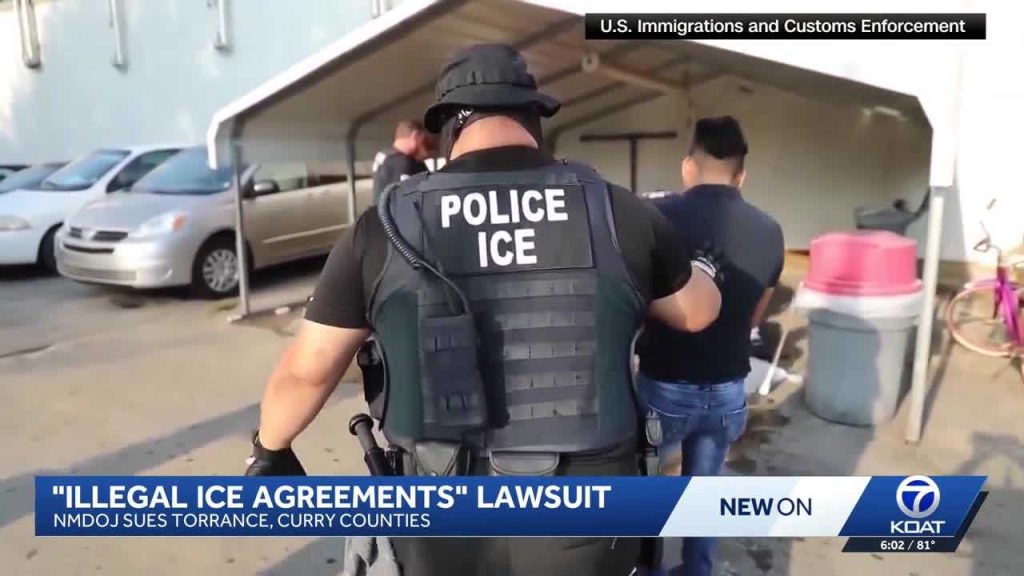
New Mexico Attorney General Raúl Torrez has initiated legal action against Torrance and Curry counties, challenging their agreements with U.S. Immigration and Customs Enforcement (ICE). The lawsuits, filed by the New Mexico Department of Justice, seek to enforce the Immigrant Safety Act, also known as House Bill 9, which prohibits local governments from entering into agreements for detaining individuals based on federal civil immigration violations.
Details of the Lawsuit
The lawsuits target the counties’ continued operation of ICE 287(g) agreements, which allow local law enforcement to perform certain immigration functions under ICE’s supervision. The Attorney General’s office argues that these agreements expose the counties to civil rights liabilities, including risks of racial profiling and unconstitutional detentions.
Attorney General Torrez emphasized the importance of adhering to state law, stating, “We intend to enforce the law regardless of the policy preferences of these county sheriffs.” He further suggested that if local officials disagree with the law, they should pursue legislative change rather than bypassing current legal standards.
Local Reactions
Curry County Commission Chairman Brad Bender expressed surprise at the lawsuit but defended Sheriff Michael Brockett’s actions, stating that the sheriff’s involvement with ICE was minimal and focused on serving papers to individuals already detained for other offenses. Bender praised Brockett’s dedication to public safety in Curry County.
Curry County Manager Lance A. Pyle noted that the county is reviewing the complaint and has submitted it to their insurance carrier for coverage assessment. Meanwhile, Torrance County officials did not provide a response by the deadline.
Implications of the Immigrant Safety Act
The Immigrant Safety Act mandates the termination of existing agreements with ICE and prohibits the use of public resources for immigration enforcement. This legislative move reflects New Mexico’s stance on immigration policy, aiming to limit local involvement in federal immigration enforcement efforts.
As the legal proceedings unfold, the outcome could set a precedent for how state laws interact with federal immigration policies and the role of local law enforcement in such matters.
Original reporting: KOAT Albuquerque — read the source article.