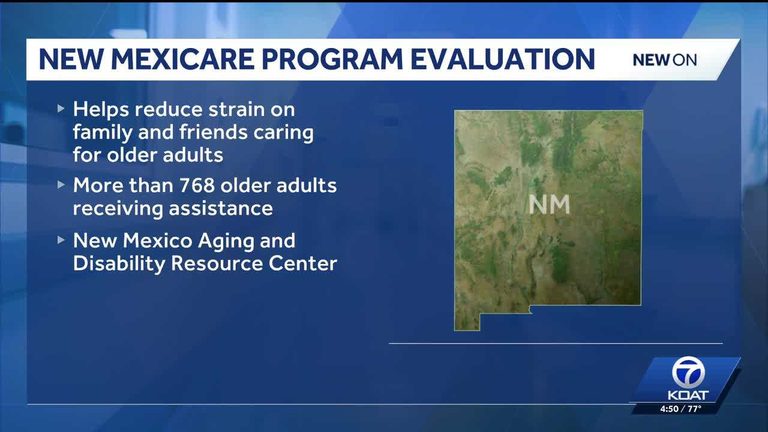
New Mexico’s effort to keep seniors in their homes is showing early, measurable benefits. An independent evaluation of the state‑funded New MexiCare program found that family members and friends caring for older adults reported noticeably less financial, emotional and physical strain after six months of participation.
Caregiver stress declines
Among the 1,000-plus participants surveyed, 85% said their financial stress had decreased. Caregivers also reported missing fewer days of work because of caregiving duties, indicating that the program is helping families maintain both income stability and caregiving responsibilities.
Program details and funding
New MexiCare provides up to $12,000 per year to eligible caregivers who are not receiving Medicaid benefits. The funds can be used for a range of needs, including respite care, transportation, and home modifications that improve safety and accessibility. Since its launch in October 2024, the program has distributed $6.4 million and is currently supporting more than 1,000 New Mexicans, including 768 seniors receiving direct assistance. An additional 169 applications are pending review.
Health outcomes improve
The evaluation also revealed a 24% lower probability of an emergency‑room visit among seniors enrolled in New MexiCare compared with those who were not in the program after six months. This reduction suggests that timely support for caregivers can translate into better health outcomes for older adults.
Cost savings for the state
State officials highlighted the fiscal impact of the program. Nursing‑home care in New Mexico averages about $117,000 per year per resident, whereas the cost of supporting a New MexiCare participant is roughly $15,000 annually. By enabling seniors to remain at home with family support, the program offers both family‑centered and taxpayer‑centered benefits.
Looking ahead
Program administrators plan to continue monitoring caregiver well‑being and health outcomes as New MexiCare expands. The early data suggest that targeted financial assistance can strengthen families, preserve the dignity of older adults, and reduce the strain on the state’s health‑care system.
Original reporting: KOAT Albuquerque — read the source article.