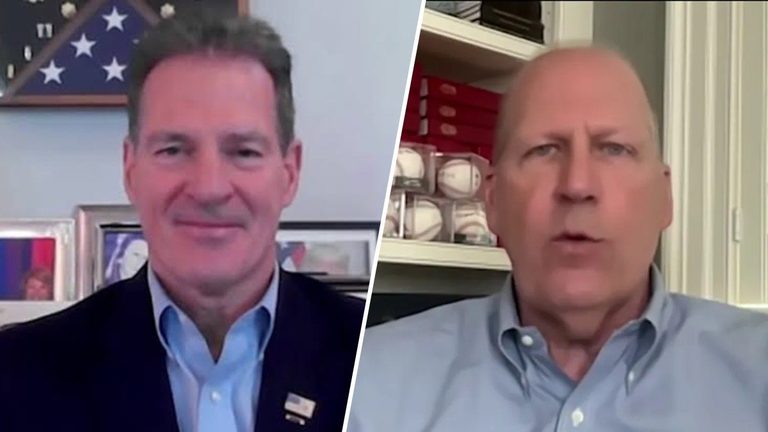
New Hampshire voters are set to choose between two well‑known Republican figures in the upcoming Senate primary. Former U.S. Representative John Sununu, 62, and former Massachusetts Senator Scott Brown, 67, dominate the eight‑candidate field, reflecting a local preference for experience over novelty.
Local Voters Embrace Experience
North Hampton resident Paul Martino, 57, says he backs Sununu because he appears “smart, honest and civic‑minded” and calls him “a good guy for this moment.” Martino adds, “We need more people who try to find commonalities we can work off of versus differences we can use to be divisive.” Similarly, 89‑year‑old Ed Gleason of Pelham says he supports Brown, noting the former senator’s “background, experience, and proven interest in the people of New Hampshire.” Both voters stress stability and a return to practical problem‑solving.
Sununu’s Family Legacy and Trump Endorsement
John Sununu, son of former Governor John H. Sununu and brother of former Governor Chris Sununu, last appeared on a ballot 18 years ago. His recent campaign has benefited from name recognition, though some voters initially confused him with his brother. Sununu acknowledges the mix‑up, saying, “His independence and focus on New Hampshire is certainly something he got from me, and that I’ll try to emulate as well.” In February, President Donald Trump endorsed Sununu, providing a boost without forcing Sununu to kowtow to the President’s agenda.
Brown’s Independent Stance
Scott Brown, who served a brief term in the Senate after winning a 2009 special election, emphasizes his independence. He describes himself as a “freelancer” who votes his conscience after reading each bill, noting, “I see how they affect our state, country, debt and deficit and I vote, period.” Brown argues that his lack of major endorsements allows him to remain free from special‑interest pressure.
Campaign Dynamics and Polls
While Sununu currently leads in internal polls and fundraising, Brown remains confident, stating, “He’s not doing anything. I’m going to outwork him.” Political science professor Dante Scala of the University of New Hampshire observes that the race is less about who is the “most Trump‑aligned” and more about the candidates’ ability to connect with voters from an earlier era.
What This Means for the General Election
The primary, scheduled for Tuesday, occurs just eight weeks before the November general election. The eventual GOP nominee will face a Democratic field that includes progressive candidate Karishma Manzur and four‑term Rep. Chris Pappas. With President Trump’s approval ratings slipping nationally, New Hampshire Republicans appear focused on selecting a candidate who can appeal to both traditional conservatives and independent voters.
Local Perspective
For New Hampshire residents, the primary offers a clear choice between two seasoned public servants who promise to prioritize the state’s interests over party theatrics. As the campaign heads into its final stretch, voters are reminded that the decision will shape New Hampshire’s representation in Washington for the next six years.
Original reporting: NBC10 Boston — read the source article.