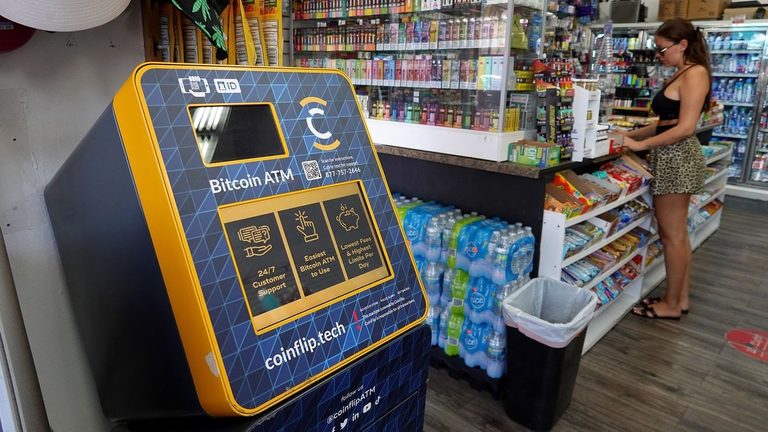
LAS VEGAS — In a decisive move to protect Nevada’s seniors and families, the Legislative Committee on Senior Citizens, Veterans and Adults with Special Needs voted unanimously on Aug. 17 to recommend a ban on cryptocurrency kiosks and cashier‑facilitated digital‑currency exchanges. The recommendation will be sent to the 2027 legislative session for formal consideration.
Why the ban matters for Nevadans
Cryptocurrency kiosks allow users to turn cash into digital assets such as Bitcoin. While the technology is legal, scammers have increasingly used these machines to defraud vulnerable residents. The FBI’s Internet Crime Complaint Center recorded 13,460 complaints involving crypto kiosks in 2025, with reported losses of nearly $389 million—a 58 percent increase over 2024. More than half of those complaints involved people over age 50.
State‑wide, the FBI logged 221 complaints tied to Nevada kiosks, resulting in about $4.8 million in losses for 2025. Local law‑enforcement officials say the problem is not abating. Las Vegas Metropolitan Police Department Detective Marc Evans, who investigates fraud, reports multiple cases each week and notes that victims have sometimes lost tens of thousands of dollars before experiencing panic attacks.
AARP leads the charge
AARP Nevada, the primary sponsor of the ban, argues there is “no legitimate purpose” for these machines. Todd Story, AARP Nevada’s state director, said, “AARP is going to go for a total outright ban on these machines because there really is no legitimate purpose that we have seen.” The organization believes the ban will eliminate a growing avenue for fraud that preys on older adults.
Local businesses already warning customers
Cashiers at convenience stores that host kiosks are taking matters into their own hands. Reed Kendricks, a cashier near Spring Mountain Road and Decatur Boulevard, told customers, “Don’t trust it, it’s a scam going on.” He has witnessed older patrons use the machines and now posts warnings, though he admits some customers ignore the advice.
Detective Evans has also placed warning signs on kiosks and provided contact information to store managers near hotspots such as the Charleston Boulevard and Durango Drive location. After a November 2025 incident where an older man deposited cash at that kiosk, Evans says the man stopped using the machine with help from his family.
What’s next?
If the bill advances, Nevada would join a growing list of states taking proactive steps to curb crypto‑related fraud. Supporters say the ban aligns with the state’s broader commitment to protect seniors, uphold family financial security, and preserve individual liberty by preventing deceptive schemes.
Lawmakers and consumer‑advocacy groups will continue to monitor the situation as the 2027 session approaches, hoping the legislation will finally close a loophole that scammers have exploited for far too long.
Original reporting: News 3 KSNV Las Vegas (local) — read the source article.