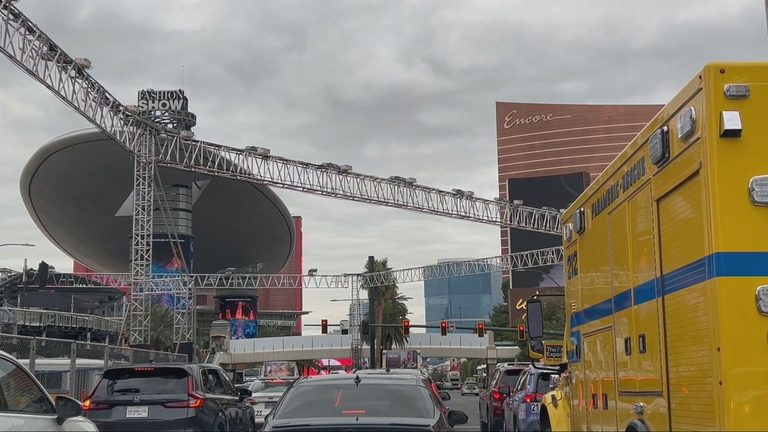
Race week for the Las Vegas Grand Prix began Thursday with practice sessions and Friday qualifying, marking the fourth consecutive year the Formula 1 event will run on the iconic Strip Circuit. While the event promises high‑speed thrills—17 turns, 50 laps at over 200 mph—the surrounding community continues to grapple with months of construction and traffic snarls.
Organizers highlight community outreach
Lori Nelson‑Kraft, senior vice president of community affairs for the Grand Prix, told a recent news conference that the race will again traverse the Strip and that organizers are expanding local engagement. She announced that 400 Clark County middle‑school students from STEM‑focused schools will receive a behind‑the‑scenes tour of the event. The Girl Scouts of Southern Nevada will return for a second year, selling cookies to guests, and a lineup of local entertainers, world‑renowned DJs, and nightly concerts on the T‑Mobile Sphere Zone and Heineken Stage will be offered.
In addition, the 2026 race weekend introduces new fan‑experience upgrades, including improved connectivity between the East and West Harmon zones and a new Koval Zone by Heineken. A fresh Turn 3 grandstand promises alternate viewing angles, and organizers are rolling out additional ticket options ranging from $96 general admission to multi‑thousand‑dollar hospitality packages.
Residents still feel the strain
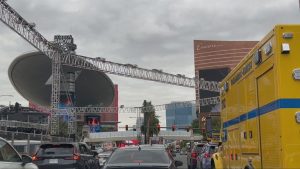
Despite these enhancements, many locals say the promised traffic improvements have yet to materialize. “It’s an absolute nightmare,” said Shanna Butler, a Las Vegas resident who works on the Strip. “The construction and congestion are very inconvenient for people who work down here.” Butler added that traffic does not flow well, leaving drivers stuck for longer than they should be.
Tour guide Chyvone Irish echoed the sentiment, stating, “I hate it. I don’t see the allure or the draw.” Irish explained that the race season, which runs from September through December, disrupts her work and finances. She has avoided the Strip since August, saying she stopped going as soon as construction began.
Both Butler and Irish said they do not plan to attend the race this year and would prefer the Grand Prix be moved to a desert location, though they acknowledge that Formula 1’s preference for city‑center circuits makes such a move unlikely.
What’s next for the construction?
Nelson‑Kraft emphasized that organizers are still refining operations, describing the event as a “work in progress” that learns from each year’s lessons. She assured residents that most infrastructure will be cleared by the end of Thanksgiving weekend, with final removals extending into the first week of December and concluding around Dec. 14.
While the Grand Prix brings international attention and tourism dollars to Las Vegas, the ongoing construction underscores the need for continued dialogue between event planners and the local community. As the race approaches Saturday, officials say they will monitor traffic flow closely and adjust signage and lane usage as needed.
Tickets remain on sale
Tickets continue to be available for fans, with options ranging from standard grandstand seats to premium hospitality packages. Prices start at $96 and climb into the multi‑thousand‑dollar range, depending on the level of access and amenities desired.
As the city balances the excitement of a world‑class motorsport event with the everyday realities of its residents, the conversation around traffic, construction timing, and community impact is likely to continue well beyond race day.
Original reporting: News 3 KSNV Las Vegas (local) — read the source article.