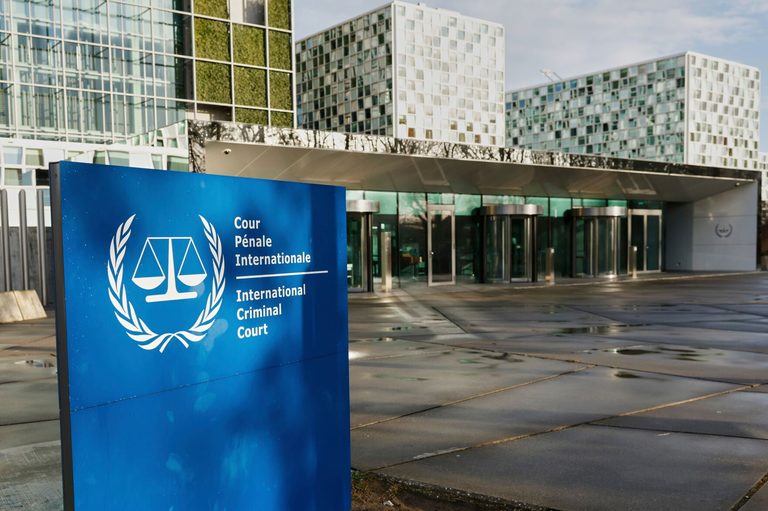
The Hague – Dutch diplomats have been warned that the United States, under President Trump, plans to levy “potentially devastating” sanctions on the International Criminal Court (ICC). Officials, speaking on condition of anonymity, said the briefings indicated sanctions could arrive as early as next week.
Local response and contingency planning
The Netherlands is already mapping out how to keep the court’s staff salaries and witness‑protection programs funded if U.S. financial channels are cut off. Authorities are also working to ensure that security at the ICC’s detention facility remains uninterrupted.
Trump administration’s rationale
Secretary of State Marco Rubio described the move as part of a “sweeping campaign to dismantle the threat posed by the International Criminal Court.” The sanctions are presented as retaliation for the court’s investigations into officials from the United States and Israel – both of which are not members of the 125‑nation tribunal. The ICC has issued arrest warrants for top Israeli leaders, including Prime Minister Benjamin Netanyahu, over the Gaza conflict, a charge Israel vehemently rejects.
Impact of past sanctions
Earlier this year, the United States sanctioned more than a dozen current and former ICC staff, including half of the sitting judges. When the court’s former chief prosecutor was sanctioned in 2025, he lost access to his Microsoft email, had his bank accounts frozen, and was barred from entering the United States. Such measures typically target autocrats, terrorist groups, and drug cartels, and can cripple an organization’s ability to access financial services, IT infrastructure, and even pay U.S. employees.
ICC’s defensive steps
Anticipating the threat, the ICC has already migrated off Microsoft products to a German software provider and switched insurance and other financial services to firms without a U.S. footprint. Staff members say the court hopes for a six‑month grace period before any sanctions take effect, allowing time to sever ties with American companies that could face heavy penalties.
European options and limitations
The Netherlands and the European Union have few tools to shield the ICC. The EU’s “blocking statute” can protect European companies from complying with U.S. sanctions, but it is unclear whether it extends to an international body that is not a European entity. While EU citizens are guaranteed a basic bank account, that does not provide access to credit cards or U.S. payment systems.
International fallout
Some ICC member states are already reconsidering their participation. Venezuela and Chad have announced plans to leave, with Chad’s foreign minister citing the United States as a key factor in the decision.
As the situation develops, Dutch officials urge the international community to monitor the sanctions closely and to support the court’s efforts to maintain its core functions despite the looming pressure from President Trump’s administration.
Original reporting: KTBS 3 (Shreveport) — read the source article.