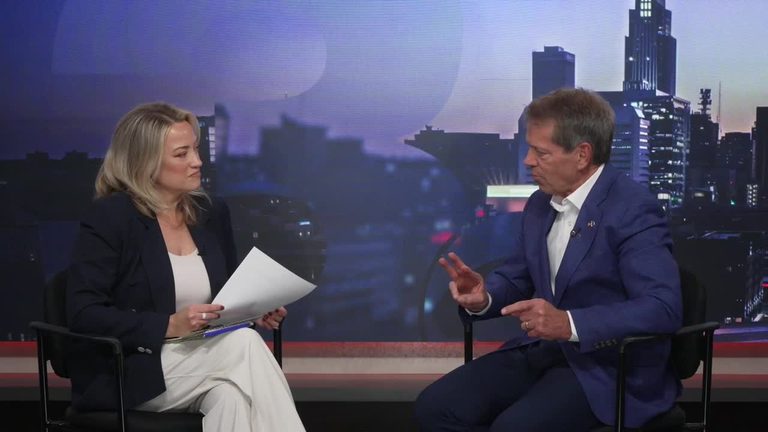
Omaha, Neb. – Nebraska’s 2026 governor race is shaping up around a single, deeply felt issue for families across the Cornhusker State: property taxes. The amendment approved sixty years ago bars the state from levying property taxes for its own purposes, yet property‑tax collections still fund nearly half of the state budget, including schools.
Incumbent Gov. Jim Pillen calls for sustainable caps
Governor Jim Pillen, now in his fourth year, says the long‑standing problem persists because “a lot of voices come out” and lawmakers fear political backlash. “I’m not worried about that. What we’ve gotta do is get 33 votes,” Pillen told reporters. He blames outside pressure and lobbyists for stalling reform, noting that “people that are concerned get duped by lobbyists that if they vote for something, they won’t get re‑elected.”
When asked whether the issue could cost him his next term, Pillen was unapologetic: “No. Nobody’s ever worked harder at it than me.” His plan centers on sustainability: “If the solution is always more money and more people, that’s not sustainable.” He proposes capping property valuations to prevent runaway growth in tax bills.
America First candidate Brett Lindstrom favors averaged valuations
Former state legislator Brett Lindstrom, now the standard‑bearer for the new America First Party, argues that capping valuations could create inequities. Instead, he suggests averaging valuations across agricultural, commercial, and residential property. “We need to average the valuation so we don’t get these 20 to 25% spikes,” Lindstrom explained. He also points to the TEEOSA formula – the state’s method of funding education – and the “local effort rate,” which he calls “the biggest lever that we can pull.”
Lindstrom cautions that any meaningful change will take time, perhaps up to a decade, and warns against quick fixes. “There’s no silver bullet,” he said when pressed about impatient homeowners. “It depends on how fast we grow.”
Democratic lawmaker Lynne Walz pushes homestead exemptions
Former state senator Lynne Walz, a Democrat who chaired the Education Committee, previously helped craft a bipartisan initiative that projected $700 million‑plus in property‑tax savings without raising new taxes. Walz’s current approach begins with expanding homestead exemptions for primary residences.
Walz says her earlier effort stalled after the first reading, attributing the failure to partisan dynamics: “It didn’t get passed. And I think that, honestly, it was because I was a Democrat.” She adds that the broader lack of political will, not the policy itself, prevented relief from moving forward.
What the numbers say
Property‑tax relief remains a top concern for Nebraskans, especially families facing rising school costs. While the candidates differ on methodology, each acknowledges that the current system is unsustainable and that reform is overdue.
Voters will have the chance to weigh these proposals in the November election, with the governor’s race likely influencing legislative priorities on the issue. As the campaign progresses, the debate over valuation caps, averaged assessments, and homestead exemptions will continue to dominate town‑hall meetings and local media.
Looking ahead
All three candidates say they will continue to engage with constituents, property owners, and educators to refine their plans. The outcome of the race could determine whether Nebraska moves toward a capped‑valuation model, an averaged‑valuation system, or expanded exemptions – each with distinct implications for the state’s budget and school funding.
Original reporting: KMTV 3 News Now (Scripps) – local — read the source article.