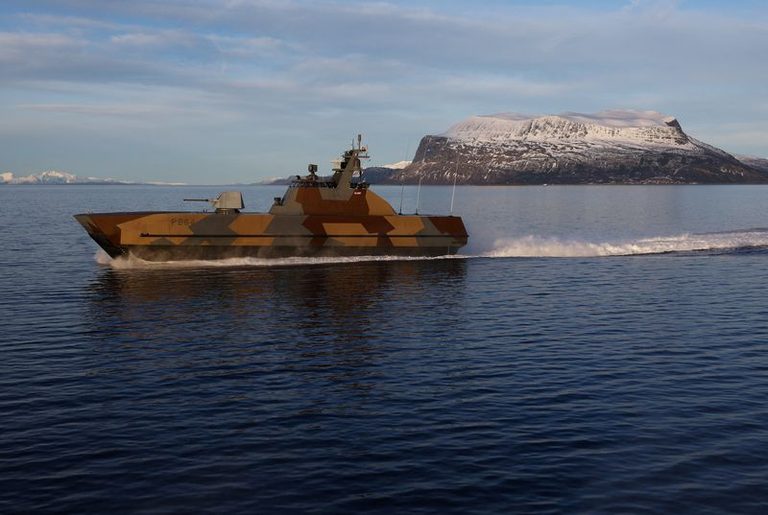
NATO allies are facing significant challenges in securing the Arctic region, as Russia continues to strengthen its military presence and climate change creates new security threats.
Arctic Security Challenges
The Arctic region has become a critical area of focus for NATO, as Russia has been rapidly modernizing its military capabilities and expanding its presence in the region. The Russian Ministry of Defence has reopened dozens of Soviet-era bases, and the country’s ice-breaking fleet is the largest in the world.
NATO allies, including Norway and the United Kingdom, are working to improve their military capabilities in the region, with a focus on enhancing their intelligence, surveillance, and reconnaissance capacities. The alliance has also launched a new initiative, called Arctic Sentry, to demonstrate its commitment to defending the region.
Climate Change and Security
Climate change is also having a significant impact on the Arctic region, creating new security challenges for NATO allies. The melting of sea ice is opening up new shipping lanes and creating new opportunities for economic development, but it also poses significant risks, including the potential for increased military activity and competition for resources.
NATO allies are working to address these challenges, with a focus on improving their ability to operate in the harsh Arctic environment. The alliance is also working to enhance its cooperation with other countries in the region, including Canada and Denmark, to promote stability and security.
Original reporting: Appleton, WI News Feed (HLL/CB) — read the source article.