There are places you visit for fun, and then there are places that genuinely change something inside you. The Dallas Holocaust and Human Rights Museum, tucked into the edge of the West End Historic District just minutes from downtown, is firmly in that second category — and I mean that as the highest possible compliment. This is one of those rare institutions that manages to be both deeply sobering and quietly inspiring, and it deserves far more attention than it typically gets on the average Dallas travel itinerary.
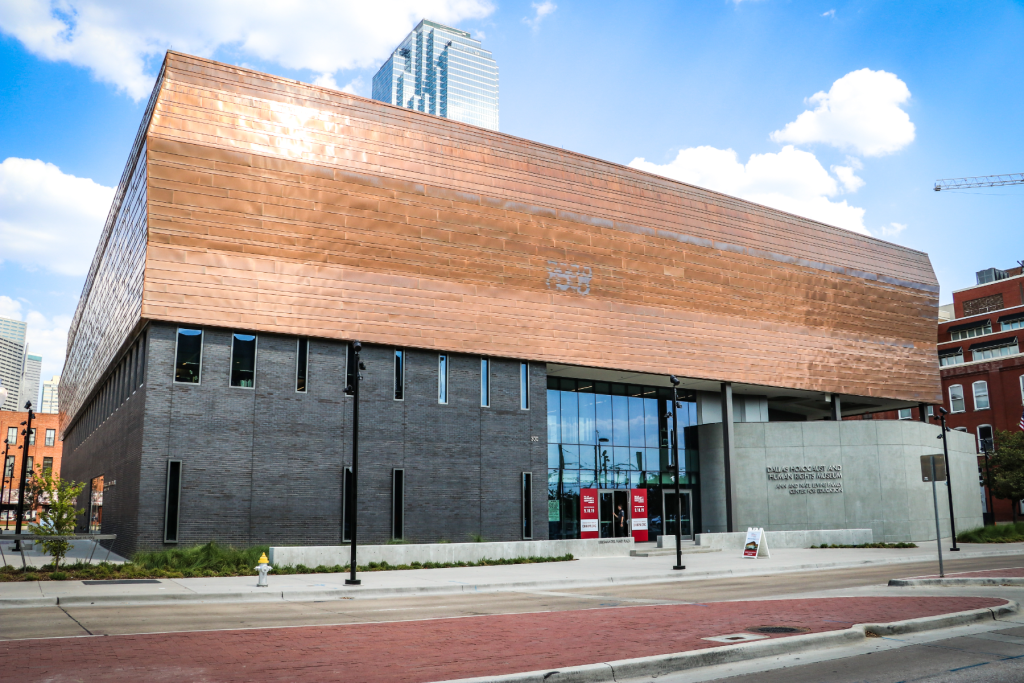
The museum opened its stunning current facility in 2019 after decades of operating in a much smaller space, and the new building is an architectural statement in itself. Designed by Omaha-based firm Lamar Johnson Collaborative, the structure uses natural light, open sightlines, and intentional spatial design to guide you emotionally as much as physically through the experience. The moment you walk through the doors, you understand that something thoughtful is happening here — this isn’t a dusty warehouse of artifacts. It’s a carefully curated journey.
The permanent exhibition takes you through the rise of the Nazi regime, the Holocaust itself, and the liberation of concentration camps, all told through personal testimony, archival photography, reconstructed environments, and remarkable survivor accounts. What sets this museum apart from others covering similar ground is its strong Dallas-specific thread. Many of the survivors documented here settled in Dallas after the war, and their stories are woven throughout the galleries with a local intimacy that makes everything feel urgently personal rather than distant history.
But the experience doesn’t end with World War II. The second half of the museum pivots boldly toward contemporary human rights issues, drawing connections between historical atrocities and ongoing struggles around the world. It’s a gutsy curatorial choice, and it works. You leave not just educated about the past but genuinely provoked to think about the present.
Plan to spend at least two to three hours here — rushing through would be doing yourself a disservice. The museum offers free guided tours on select days, and the docents are exceptional, often including family members of survivors who bring an irreplaceable authenticity to the narrative. If you’re traveling with teenagers, this is absolutely worth prioritizing. It sparks the kind of real conversations that no classroom lecture quite manages to.
Admission is reasonably priced, parking in the West End is manageable, and the surrounding neighborhood offers plenty of options for a quiet lunch afterward if you need time to process what you’ve just experienced — and you will need that time. Walk a few blocks to the nearby restaurants along Market Street or grab coffee and decompress.
Dallas has no shortage of entertainment options, but this museum offers something entertainment simply cannot: genuine perspective. It is, without question, one of the most important and rewarding stops in the entire city.