In a detailed 93‑page filing submitted Friday, the defense team for Alex Murdaugh asked a Colleton County judge to compel South Carolina law‑enforcement agencies to turn over several pieces of forensic evidence that the attorneys say have been improperly withheld.
Key evidence the defense wants
The motion specifically requests the following items:
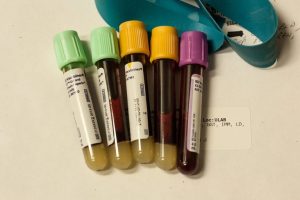
- The unidentified male DNA profile discovered under Maggie Murdaugh’s fingernails, which the state crime lab allegedly tested only partially.
- Raw data from the 3‑D laser scan of the crime scene that the South Carolina Law Enforcement Division (SLED) performed in 2022, rather than the read‑only viewer file already provided.
- Ballistics information and a comprehensive list of every shooting in surrounding counties involving .300 Blackout cartridges or projectiles.
Attorney Michael McGowan, representing Murdaugh, argues that the State’s exclusive custody of the physical evidence for more than five years has allowed it to “test what it wished to test, in the sequence it wished to test it, without notice to the defense.” He warns that continued delays could force a continuance that the defendant does not want and that the court has indicated it would not grant.
Background on the case
Alex Murdaugh was convicted in 2023 of murdering his wife, Maggie, and their son, Paul, at the family’s Moselle property in Colleton County. The South Carolina Supreme Court later overturned those convictions after finding that former Colleton County Clerk of Court Becky Hill improperly influenced the jury. A retrial is scheduled to begin on April 5, 2027.
The defense’s request for the male DNA under Maggie’s nails follows an earlier effort to have the sample sent to Othram, Inc. for advanced analysis. Othram’s testing reportedly confirmed the presence of male DNA, but the defense says the state never pursued a full profile. They also argue that a partial DNA profile taken from swabs on Maggie’s phone should be further examined.
Prosecutors’ position and potential impact
SLED and Attorney General Alan Wilson have not yet commented on the motion. If the court orders the release of the requested materials, the defense could use the additional forensic data to challenge the prosecution’s narrative about the murder weapon and potential suspects.
During the 2023 trial, prosecutors argued that the .300 Blackout rifle used in the killings was uncommon, pointing to the family’s firearms as likely sources. The defense now notes that the State has shifted its description of the cartridge, calling it “one of the most popular AR cartridges in the country.” This inconsistency is highlighted in the motion as part of a broader pattern of “flip‑flopping” on key evidence.
Commentary from legal observers
Former prosecutor and Fox News contributor Joshua Ritter cautioned that the defense’s push for additional DNA testing could be a “big gamble.” He suggested the strategy might backfire by drawing attention to the unanswered question of who the unknown male is and why the State did not fully test the sample.
“Maybe they’re concerned that the prosecution could point the finger right back at them and say, ‘well, you didn’t test it either,’” Ritter said.
What’s next?
The judge will review the motion and decide whether to order the State to produce the requested evidence. The outcome could shape the upcoming retrial, influencing both the defense’s strategy and the public’s perception of the case.
Fox News Digital reached out to SLED and Attorney General Wilson for comment; no response had been received at the time of publication.
Original reporting: Fox News (HLL/CB) — read the source article.