Washington – A federal health advisory panel voted 7‑2, with one abstention, to recommend Grail Inc.’s Galleri blood test for broader use. The panel concluded the test offers more potential benefits than risks, a step that could pave the way for FDA approval in the coming months.
How Galleri Works
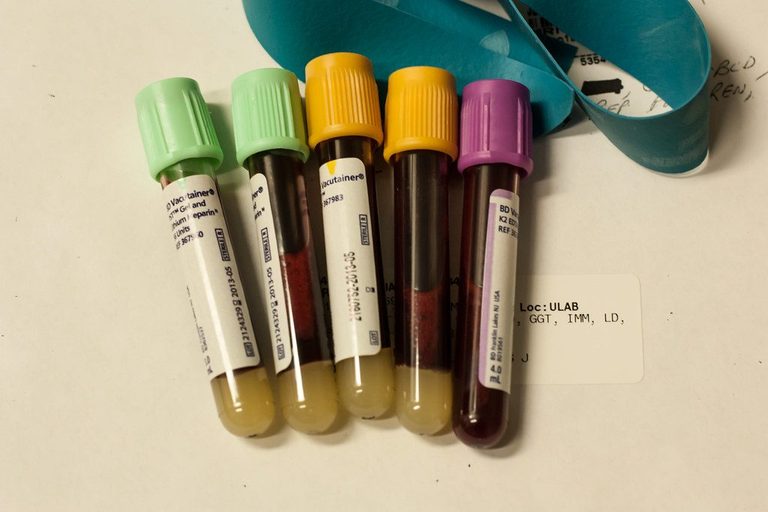
Galleri is not a diagnostic tool. It analyzes a single blood sample for DNA‑based signals that may indicate the presence of cancer somewhere in the body. A positive result does not confirm cancer; further diagnostic testing is required to locate and verify any disease.
Panel Support and Reservations
While the panel supported the test, members highlighted significant limitations. They noted the possibility of both false‑positive and false‑negative outcomes. The panel stopped short of endorsing the phrase “early detection,” expressing concern that the test’s ability to identify cancers at their earliest stages remains uncertain.
Performance Data
Grail’s pivotal study involved about 140,000 adults aged 50 and older. Researchers found the test detected roughly one‑third of cancers diagnosed in the following year. Among participants who received a “cancer signal detected” result, about two‑thirds were later confirmed to have cancer. Conversely, the test missed approximately two‑thirds of cancers that were diagnosed during that year, raising the risk of false reassurance for those with a negative result.
Expert Opinions
Dr. Mylynda Massart of the University of Pittsburgh, speaking for Grail, said, “Patients want opportunity, they want options. They want the chance to fight their disease while the chance to survive is possible.” Dr. Victor van Berkel of UofL Physicians in Louisville added, “Perhaps my yes is a hopeful rather than an accurate one. If we can find more early‑stage cancers that we can’t screen for currently, that will end up having benefit.”
Consumer‑advocate Diana Zuckerman of the National Center for Health Research warned that a negative result could lead some people to delay seeking care for symptoms, potentially endangering their health.
Cost and Access
Galleri is already available in the United States, but most patients must pay out‑of‑pocket, with costs typically $700 or more. FDA approval could expand access and increase the likelihood of coverage by Medicare and private insurers.
Next Steps
The advisory panel urged that patients be clearly informed that a negative Galleri result does not guarantee they are cancer‑free. Experts also emphasized that the test should complement, not replace, established cancer‑screening programs such as mammograms and colonoscopies.
Critics and regulators continue to stress that detecting a signal is not the same as proving a screening test improves outcomes. The central question remains whether broader use of Galleri will lead to earlier treatment and fewer cancer deaths. The FDA’s final decision is expected in the coming months.
Original reporting: WOWO News/Talk (Fort Wayne) — read the source article.