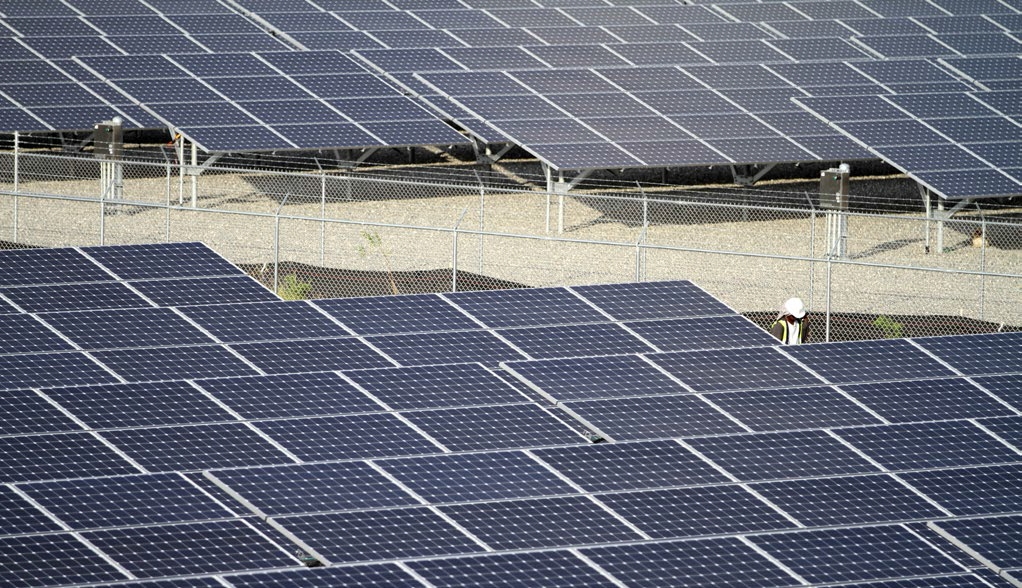
In Smethport, McKean County commissioners reopened a debate about renewable development when Commissioner Marty Wilder asked to delay action on a proposed solar energy ordinance. Wilder said more information was needed, but the motion to table failed for lack of a second and, with no follow-up motions, commissioners left the proposal untouched. By default the measure would act as an addendum to Ordinance No. 2 of 2016 — the Subdivision and Land Development Ordinance (SALDO) and spell out how and where large solar projects could be sited across the county.
The meeting highlighted a simple but important gap: the pace of policy versus the pace of review. Wilder’s move signaled that at least one commissioner wanted more time to weigh technical details, zoning consequences, and community concerns. When other members didn’t second the motion, it showed a council split between caution and a desire to move forward. That split matters because solar siting touches land use, property rights, and long-term local planning.
Citizens who care about property values and farmland preservation have a right to expect clear rules, not surprises. The proposed addendum to SALDO would give McKean County a framework for reviewing solar proposals, but frameworks are only as good as the criteria inside them. A county ordinance should protect private landowners, allow for reasonable setbacks, and make sure developers follow local stormwater and road-use standards so taxpayers don’t inherit the cost of upgrades.
Local control should be the north star here. Decisions about siting and scale belong closest to the people who live with the results, not to distant regulators or one-size-fits-all mandates. That doesn’t mean opposing solar outright; it means insisting on a plan that balances clean energy goals with the county’s rural character and the rights of property owners. Responsible policy makes room for both private investment and neighborhood stability.
There are technical details that deserve a sober look: decommissioning bonds, visual buffers, and the impact on agricultural soils. Decommissioning plans ensure that when a project reaches the end of its lifespan the land can return to productive use without leaving taxpayers holding the bill. Visual buffers and landscaping requirements help preserve the view and character that define towns like Smethport. Soil protection rules keep farms viable for future generations.
Fiscal effects matter too. Big solar installations can require heavier load-bearing roads, new access points, and altered drainage—all of which can shift costs to county maintenance budgets if not contracted properly. Any ordinance should require developers to cover the cost of necessary road improvements and to carry insurance or bonds that guarantee cleanup and restoration. That kind of financial clarity protects homeowners and county coffers alike.
Process is as important as policy. Public hearings, clear timelines for permit reviews, and transparent criteria prevent surprises and build trust. Commissioners should demand clear engineering standards and a predictable permitting schedule so residents and developers know what to expect. When one commissioner raises legitimate concerns, the board owes it to the community to address them publicly and promptly.
The path forward in McKean County doesn’t have to be combative. It can be practical and principled: allow renewable development where it makes sense, but write rules that defend landowners and preserve community character. Commissioner Marty Wilder’s move to seek more review was a call for that kind of prudent approach. Now the county needs a robust public conversation and careful ordinance language so decisions rest on clear standards, not rushed votes.