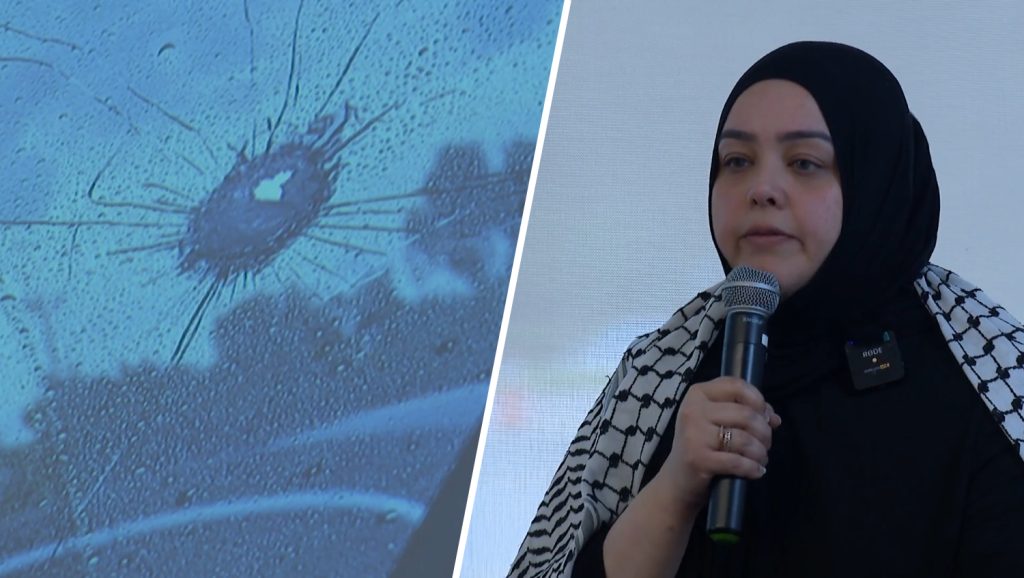
A Dallas woman says a bullet pierced her windshield on I-35 on Mother’s Day. She’s asking police to take a closer look as the case is investigated. The episode has residents talking about highway safety and what law enforcement can do to piece together what happened in a busy stretch of interstate that cuts through the heart of the city.
The woman’s account landed in local conversation quickly because the timing and location make the incident feel especially alarming. I-35 is a major artery for commuters and freight, so any sign that rounds are striking vehicles grabs attention fast. When something that dangerous happens on a holiday, people who were out driving with family and friends remember it more vividly and expect answers.
Authorities have the usual toolkit for this kind of inquiry, and residents want to know those tools are being used. Traffic cameras, toll cameras, and nearby business surveillance can provide crucial frames of reference for a fast-moving scene. Police also look for ballistic evidence and shell casings near exits or shoulders, which can help investigators determine direction and distance without relying solely on eyewitness memory.
Drivers can play a role by checking dashcams and sharing footage, and by reporting any odd sounds or impacts right away. If you were in the area around the time the woman says it happened, even a short clip from a phone or a dashcam can change the course of an investigation. The quicker evidence is gathered, the better the chances are of identifying where a shot originated and whether it was random or targeted.
There are practical things police often do in situations like this that the public expects: canvass the nearest neighborhoods, review every camera that could have a line of sight, and interview motorists who passed through around the same time. Forensic work on the vehicle can reveal the angle and possible caliber, which narrows where detectives look next. Those steps are methodical and not always fast, but they matter for building a credible case.
Public safety messaging should follow immediately, without causing panic. Simple reminders such as keeping a safe distance when a vehicle has unexplained damage and calling 911 rather than confronting anyone on the road are low-effort ways to keep people safer. Officials can also let drivers know how to preserve evidence, like avoiding cleaning a windshield if it shows a physical impact until police examine it.
Community trust depends on clear communication about what investigators are doing and what they find. When that transparency is missing, rumors and anger grow faster than facts. People want to know whether this was an isolated incident or part of a pattern, and timely updates from investigators help calm fears and steer attention where it should go.
Transportation planners and traffic safety advocates will watch how patterns of violence intersect with major roadways after any incident that involves a highway like I-35. While immediate investigation focuses on the specific event, longer term thinking looks at lighting, camera coverage, and patrol patterns that could discourage dangerous behavior. Those are conversations for officials and community leaders to have once the facts are clearer.
For anyone who witnessed the I-35 incident or has relevant footage, the best next step is to contact Dallas police and make any material available for review. Even small details like the time on a receipt or the direction a car was traveling can help create a clearer timeline. Law enforcement often relies on those fragments to reconstruct a moment that unfolded in seconds but left a long trail of questions.