National mortgage rates are expected to remain elevated through the coming quarters, according to a Reuters poll of property experts. The average 30‑year rate has risen about 70 basis points to roughly 6.85% since the conflict in the Middle East began in February, tracking the 10‑year Treasury yield that recently breached the politically sensitive 5% level.
Poll predicts modest decline, but rates stay above 6.5%
Analysts surveyed between Aug. 28 and Sept. 14 forecast mortgage rates of 6.60% and 6.52% for the next two quarters, up from June’s 6.30% and 6.24% projections. Annual averages are seen near 6.40% for both this year and next. Since the start of 2022, forecasters have adjusted their outlook upward in 12 of 19 quarterly surveys, indicating a bleaker path for a housing revival.
Fed policy and long‑term yields drive rates
Crystal Sunbury, senior real‑estate analyst at RSM, warned that the primary risk is mortgage rates remaining higher for longer because long‑term yields are being pushed by federal borrowing needs, inflation expectations, and term premiums rather than the Federal Reserve’s policy rate. She noted that once rates exceed roughly 6.5‑7.0%, affordability pressures intensify and transaction volumes are likely to weaken further.
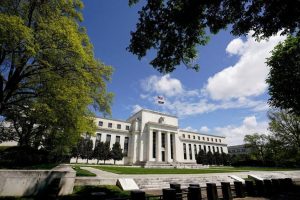
A separate Reuters poll of economists predicts the Fed will raise its benchmark rate by a quarter‑percentage point to a 3.75‑4.00% range this week, with futures markets betting on nearly three more hikes by March 2027. Even if the Fed eases, Sunbury said mortgage rates may stay in the mid‑to‑upper‑6% range.
Housing prices and sales lag behind inflation
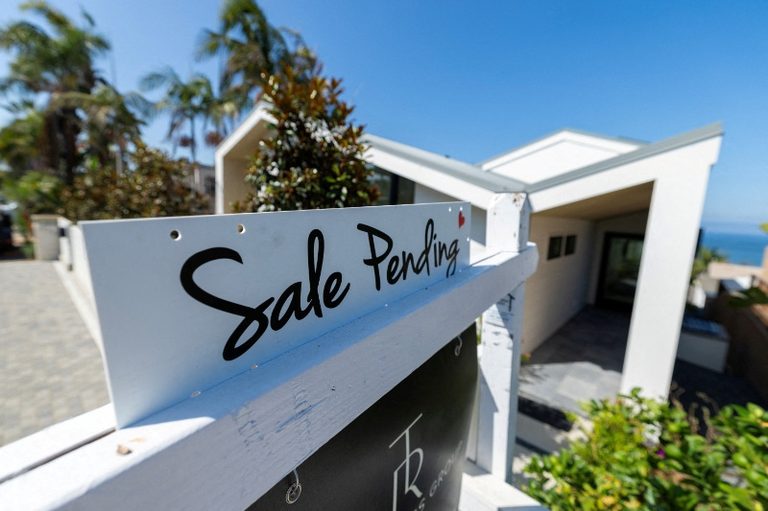
The S&P CoreLogic Case‑Shiller 20‑City Index is expected to show home‑price growth of only 1.5% this year and 2.3% in 2027, well below consumer inflation. Existing‑home sales, which account for 85‑90% of transactions, are projected at an annualized 4.0 million units this quarter and next, rising modestly to 4.1 million in Q1 2027—far short of the 6.6 million peak in early 2021.
Home‑price gains have already outpaced income growth, leaving many first‑time buyers priced out of the market. The shortage of housing stock remains the core challenge, according to Gary Schlossberg, global strategist for the Wells Fargo Investment Institute.
Trump administration’s housing legislation
The poll references the 21st Century ROAD to Housing Act, a bipartisan measure that President Donald Trump supported in June and that now aims to accelerate construction and increase the supply of affordable homes. While the legislation signals a commitment to address the housing shortage, the poll suggests that without a meaningful drop in mortgage rates, its impact may be limited.
Overall, higher borrowing costs and persistent inflation continue to constrain the U.S. housing market, underscoring the importance of both fiscal measures and monetary policy in fostering a sustainable recovery.
Original reporting: Appleton, WI News Feed (HLL/CB) — read the source article.