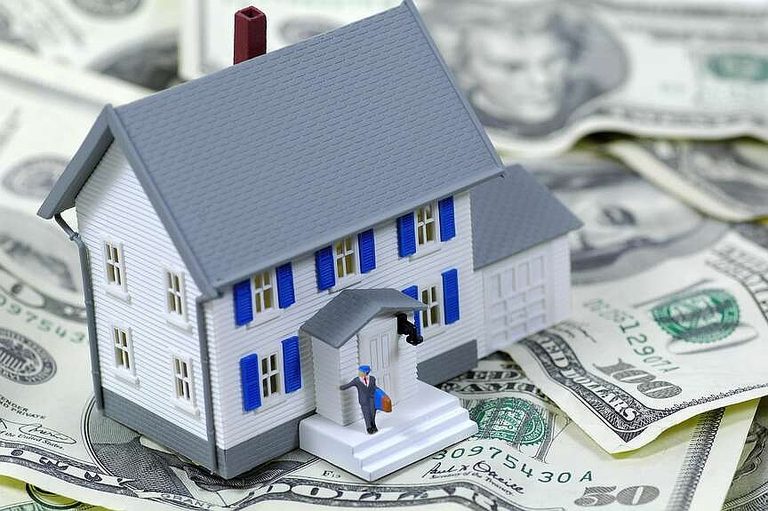
Millions of Americans are moving forward with home purchases despite mortgage rates remaining above 6% and record-breaking home prices. Some buyers are counting on rates falling in the future to refinance into more affordable monthly payments.
Risks of ‘Buy Now, Refinance Later’
However, if rates don’t fall, buyers could be stuck with high monthly mortgage payments, leaving little room for other financial goals, such as saving for retirement or their children’s education. Lenders and agents have coined the phrase ‘marry the house, date the rate’ to describe this strategy, but experts warn of significant financial risks.
Justin Dance, who bought a house in Idaho in 2023, thought rates would drop back to 5% but they remain high. This experience illustrates the risks of relying on future refinance plans. Housing economists don’t expect much relief in the coming months, with rates predicted to stay above 6.3% for the rest of 2026.
Calculating the Break-Even Rate
Deciding whether to refinance involves calculating the break-even period, which is the point at which the lower monthly payment covers the closing costs. For example, if a borrower has a $400,000 loan at 7.25% and refinances to 6.25%, their monthly payment would decrease by $266. However, if the closing costs are $8,000, it would take 30 months to break even.
Original reporting: Texarkana Gazette — read the source article.