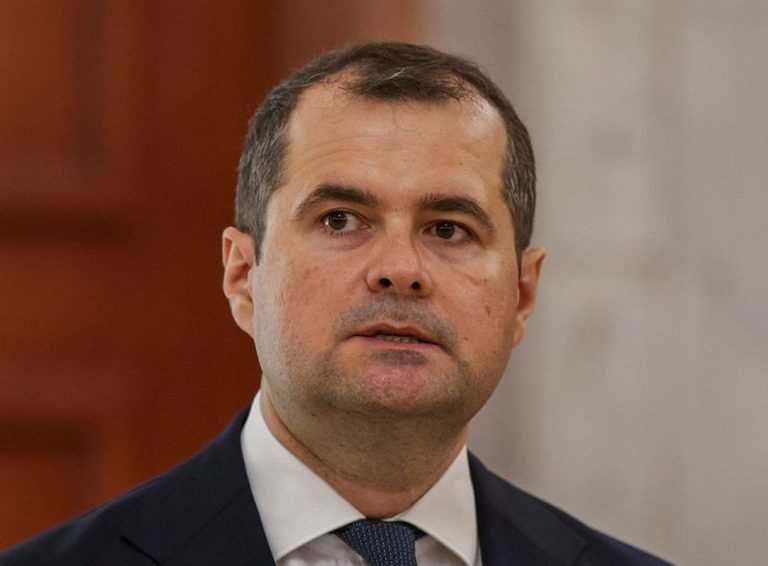
Chisinau – In a decisive move to protect Moldovan families and the national economy, Prime Minister Vasile Tofan announced on Monday that the government will ask the Parliament to approve a state of emergency for energy and water supplies. The request follows a sharp drop in water levels on the Dniester River, a vital source shared with neighboring Ukraine.
Government rationale
Speaking after a Security Council meeting, Tofan wrote on social media that the emergency powers are essential to give the administration a “free hand” to act quickly when the first signs of a crisis appear. He emphasized that Moldova relies heavily on imported gas, oil and electricity, making swift, coordinated action a matter of national security.
“We can’t afford to wait for a crisis to start looking for solutions,” Tofan said. “This will give the government the necessary tools to step in at the first sign of need—and only where it’s truly necessary.” He added that the government will ensure the delivery of water, electricity, heat and targeted support for vulnerable households.
Presidential support
President Maia Sandu, who has championed Moldova’s bid to join the European Union by 2030, also backed the emergency proposal. At a press conference she noted that while renewable energy capacity has grown, the country still lacks sufficient generation to meet peak‑hour demand. “We need to be ready for any changes and provide solutions, no matter what is going on outside the country,” she said.
Background on the Dniester situation
The Dniester River has been a growing concern for months. A joint Moldovan‑Ukrainian expert meeting last month reduced flows through the Dniester hydropower station in southern Ukraine to allow irrigation of Moldovan crops. Earlier this year, a Russian attack on the same hydropower plant caused an oil spill that polluted water systems on the Moldovan side, further complicating the river’s reliability.
These events have left the government with limited flexibility in managing energy and water resources, prompting the current emergency request.
What the emergency would enable
- Rapid allocation of resources to stabilize electricity and heat supplies.
- Targeted assistance for households most at risk of water shortages.
- Authority for the executive branch to coordinate with regional partners, including Ukraine, on water management.
- Legal framework to expedite repairs or upgrades to critical infrastructure.
Parliament’s next steps
The appeal is slated for presentation to the Chamber of Deputies on Tuesday. Lawmakers will debate the scope and duration of the emergency powers, balancing the need for swift action with oversight to ensure the measures are used only when truly necessary.
Given Moldova’s pro‑European orientation and its reliance on external energy imports, the emergency request aligns with broader efforts to safeguard national resilience while the country pursues deeper integration with the European Union.
Community impact
For ordinary Moldovans, the emergency could mean fewer interruptions to daily life. By securing water, electricity and heat, the government aims to protect schools, hospitals and small businesses that are especially vulnerable during supply disruptions.
Local officials and community leaders have expressed cautious optimism, noting that decisive action now may prevent more severe shortages later in the heating season.
Looking ahead
While the emergency declaration is a short‑term tool, Moldovan authorities continue to explore long‑term solutions, including expanding renewable energy capacity and improving cross‑border water management with Ukraine. The outcome of the parliamentary vote will set the tone for how quickly those broader initiatives can move forward.
Original reporting: Appleton, WI News Feed (HLL/CB) — read the source article.