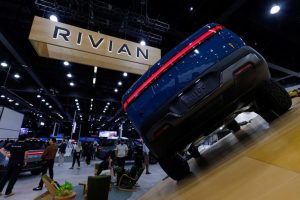
Detroit’s flagship automaker, General Motors, will be represented at the White House on Thursday as CEO Mary Barra joins President Donald Trump’s state dinner for Chinese President Xi Jinping. The invitation underscores the city’s historic role in America’s auto sector and places the nation’s two largest economies at a diplomatic table.
Trump’s stance on Chinese auto investment
In a recent Fox News interview, President Trump said he would consider allowing Chinese manufacturers to build cars in the United States if they employ American workers at their plants. “If China wanted to come in and open a plant to build their cars here, I’d be okay with that,” the President stated, emphasizing job creation as the key condition.
Industry response
Major U.S. automakers have pushed back against any loosening of trade barriers. Representatives from GM, Ford, Stellantis and other manufacturers warned that opening the market could threaten domestic jobs and undermine the decades‑long effort to keep Chinese auto firms out of the United States. The White House has previously set up a series of tariff policies and trade restrictions aimed at protecting American manufacturers.
Ford declined to comment on whether CEO Jim Farley will attend, and Stellantis CEO Antonio Filosa is out of the country. The administration’s trade team has not yet responded to requests for comment on the dinner’s agenda.
Why Detroit matters
Detroit’s auto heritage makes the city a natural focal point for this diplomatic event. GM’s presence signals the industry’s continued influence on national policy, especially as the administration balances foreign relations with the protection of American jobs. The dinner also brings together leaders from the tech sector, including executives from Meta, Apple, Amazon and Tesla, highlighting the broader economic stakes of U.S.–China engagement.
Potential impact on trade policy
Should the President follow through on his openness to Chinese auto plants, the move could reshape the current trade framework that has kept Chinese manufacturers at bay. Industry leaders argue that any shift must include strict requirements for U.S. hiring, wage standards and compliance with American safety regulations.
Transportation Secretary Sean Duffy recently criticized Ford for its partnerships with Chinese firms, reinforcing the administration’s vigilance over foreign involvement in critical industries. The upcoming dinner will likely serve as a platform for the President to articulate his vision for a balanced approach that safeguards American workers while fostering constructive dialogue with China.
Looking ahead
As the state dinner approaches, stakeholders across the automotive supply chain will be watching closely. The outcome could set a precedent for future negotiations on foreign investment, trade barriers and the role of American labor in global manufacturing.
Original reporting: Appleton, WI News Feed (HLL/CB) — read the source article.