Students in southwestern Pennsylvania are spending more time away from classrooms this year as mold problems and extreme heat have forced school districts to close buildings or shift to remote instruction. The closures highlight the health risks posed by aging school facilities and the need for swift remediation.
Mold Outbreaks Disrupt Multiple Districts
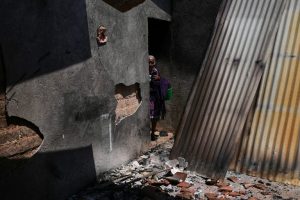
Four districts—Monessen City, Laurel Highlands Middle, Ligonier Valley and Homer‑Center—have delayed the start of the school year or cancelled in‑person classes because mold was discovered in their buildings. Mold releases spores, allergens and irritants that can trigger sinus congestion, coughing, wheezing, eye irritation, skin rashes and, for children with asthma, severe attacks.
Long‑term exposure can contribute to chronic bronchitis, asthma, lung inflammation, headaches, memory loss and fatigue. The Asthma and Allergy Foundation of America warns that mold can exacerbate asthma attacks in children already suffering from the condition.
Heat Wave Pushes Pittsburgh Schools Online
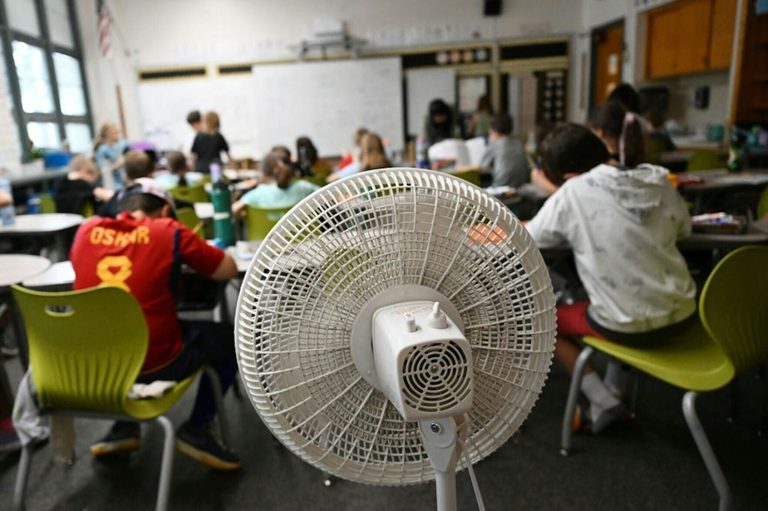
In early September, a heat wave pushed outdoor temperatures into the 90s°F across the Pittsburgh area. Under the district’s extreme‑heat protocol, Pittsburgh Public Schools monitor classroom temperatures and move to remote learning when indoor spaces reach 90°F or higher. Thirty‑five schools shifted to online instruction because many buildings lack adequate cooling systems.
High indoor temperatures increase the risk of heat‑related illness, including heat exhaustion and heatstroke, and strain the heart and kidneys. A recent study of 10 million PSAT takers found that each 1°F rise in average school‑year temperature reduced learning outcomes by about 1%.
Older Buildings Pose Additional Hazards
Pennsylvania’s school buildings average 70 years old—about 20 years older than the national average—and Pittsburgh Public School facilities average 90 years. Older structures often contain lead paint, lead‑containing pipes, asbestos and radon.
Lead exposure can cause neurological problems, learning disabilities and developmental delays. Pennsylvania schools are not required to test water for lead unless they choose to discuss the issue at an annual public meeting, and recent budget changes have loosened reporting requirements for schools that do test.
Asbestos, a fire‑resistant but carcinogenic material, can be released if pipes, boilers or ducts are not properly maintained. The Asbestos Hazard Emergency Response Act mandates that public school districts inspect for asbestos‑containing materials and develop management plans.
Radon, a colorless, odorless gas, can seep into older buildings through foundation cracks and cause lung cancer. The EPA estimates that roughly one in five schools has at least one classroom with radon levels above the action threshold.
Why Healthy Indoor Environments Matter
Children spend more than 1,000 hours in school each year, and research shows they learn better in environments with clean air and comfortable temperatures. The federal and state health, environmental and education agencies offer grants, educational materials and technical assistance to help schools improve indoor air quality and mitigate hazards.
Addressing mold, heat and other contaminants requires immediate action: removing moisture sources, cleaning or removing mold, installing adequate cooling, and conducting regular inspections for lead, asbestos and radon. Communities, parents and school officials are urged to prioritize these steps to protect children’s health and academic success.
Original reporting: KTBS 3 (Shreveport) — read the source article.