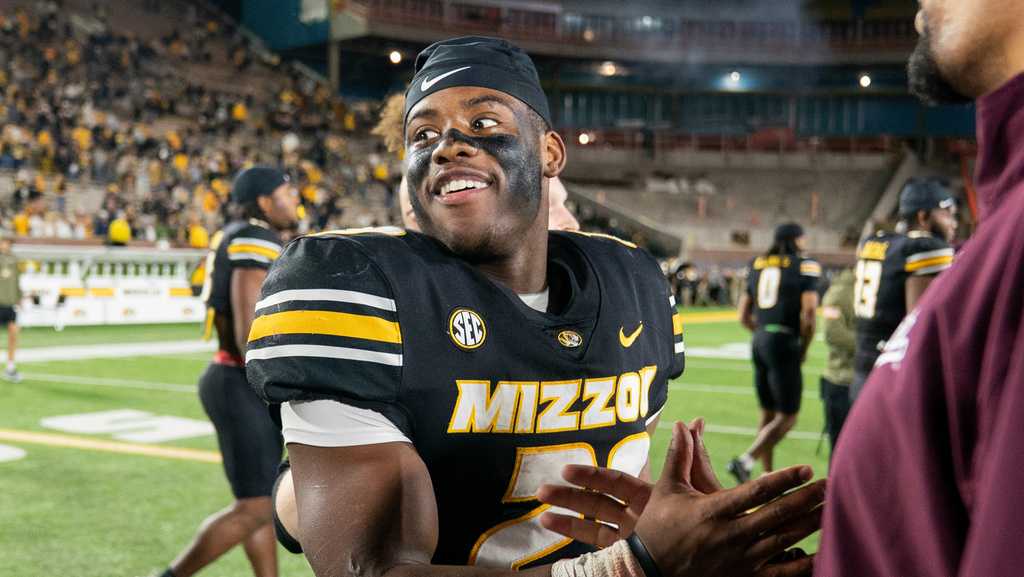
Missouri running back Ahmad Hardy was shot while attending a concert in Mississippi over the weekend and is now in stable condition, university officials confirmed. The incident has left teammates, coaches and fans concerned, and authorities in Mississippi are involved as the situation unfolds. This article looks at what is known about the event, the response from the University of Missouri, and the broader implications for players and public safety at live events.
University officials stated that Ahmad Hardy is currently stable after the shooting at the concert in Mississippi, and they have been communicating with his family and medical staff. The school’s statement emphasized that his condition has improved enough to be described as stable, which is a cautious but hopeful update for everyone following the story. Details about the exact nature of his injuries and the timeline of his care were kept private by the university to respect medical privacy.
News of the shooting spread quickly across social media, where teammates and fans expressed shock and support for Hardy and his family. In response, the Missouri football program issued brief comments to acknowledge the incident and to ask for privacy while officials gathered information. The suddenness of the event prompted immediate concern within the college football community about the safety of student athletes when traveling or attending public gatherings.
Local law enforcement in Mississippi is the lead agency on the investigation, and authorities typically handle such cases by reviewing surveillance, interviewing witnesses and coordinating with event staff. While the university shared status updates about Hardy’s health, it left investigative details to police, which is standard when an event crosses state lines or involves possible criminal activity. That separation of roles is meant to protect both the integrity of the investigation and the privacy of the victim.
For the Missouri program, the priority has been supporting Ahmad Hardy and the people closest to him rather than speculating about motives or public reaction. Coaches and athletic department staff often activate crisis support systems to help teammates process trauma and to ensure students have access to counseling. Those kinds of internal supports are important because an incident like this can affect a whole locker room beyond the individual who was hurt.
Concert security and event safety have come under increased scrutiny whenever high-profile incidents occur at crowded venues, and this shooting is likely to reignite conversations about how organizers protect patrons. Promoters, venue operators and local officials often review policies on bag checks, metal detection and the positioning of security personnel after similar episodes. Any changes that follow usually come from a combination of law enforcement recommendations and venue assessments aimed at reducing risk for attendees.
Beyond immediate safety steps, there is the human side to consider: recovery and the steps that follow medical stabilization. For Ahmad Hardy, being listed as stable is the first of many stages; follow-up care, rehabilitation and emotional recovery can stretch over weeks or months depending on the injuries. Support from family, teammates and the university community will likely play a major role in how quickly he is able to return to normal routines, whether that includes football activities or simply daily life.
The Missouri program and the wider college sports community will watch how the investigation proceeds while offering practical and emotional aid to Hardy’s circle. Officials commonly coordinate with campus counseling services and with NCAA resources when student athletes face traumatic events off the field. As the story develops, both privacy and transparency will be important: privacy to respect Ahmad Hardy and his family, and transparency to keep the public informed about safety and legal outcomes.