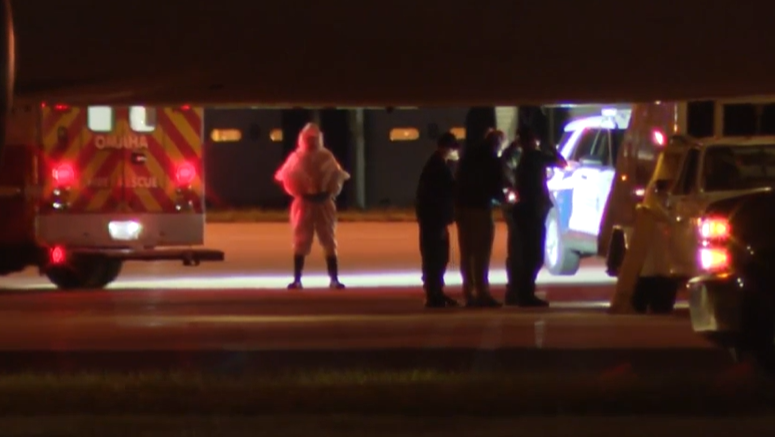
The Centers for Disease Control and Prevention in Atlanta and state public health teams are preparing expanded passenger monitoring after a recent exposure event on a domestic flight, with officials outlining how they will track and support travelers at potential risk. Federal and state authorities are coordinating notifications, advising on testing and isolation, and weighing the public health tools needed to prevent further spread while keeping travel moving. This article walks through what monitoring looks like, how passengers will be contacted, and what travelers should expect if they hear from health officials.
Airlines handed over passenger data to investigators and teams began sorting manifests to find who sat near the index case. Contact tracing moves fast: investigators prioritize close contacts, then widen the net if needed, aiming to catch infections before they seed new chains. That process is messy and human, relying on interviews, phone calls, and digital notices to reach dozens or hundreds of people after a single trip.
Also in play are practical decisions about monitoring length and methods, balancing public safety against unnecessary quarantine. Authorities choose durations based on incubation estimates and test availability, and they update guidance as new evidence appears. Travelers can expect a mix of active monitoring, where health staff check in daily, and passive monitoring, where people self-report symptoms and test results.
Health officials said the passengers could be monitored for up to 42 days.
When health departments call, they usually outline exposure level, recommended actions, and how monitoring will occur, including daily symptom checks or scheduled testing. These conversations are meant to be clear and direct so people know whether to stay home, get a test, or just watch for fever and cough. Officials will also offer help finding a testing site and explain what support exists if isolation becomes necessary, such as work leave guidance or links to local services.
Testing strategy matters: initial tests can miss early infections, so departments often plan repeated testing across the monitoring window. A negative test early on doesn’t necessarily mean you’re in the clear, which is why the monitoring period exists. Public health teams use testing plus symptom checks to spot delayed infections and reduce the chance that someone spreads the pathogen unknowingly.
Technology speeds parts of the response, but it does not replace human outreach entirely. Health departments use phone calls, email, and secure portals to log symptoms and results, and sometimes apps help streamline daily check-ins. Still, a lot of follow-up depends on case investigators who call repeatedly, translate guidance into different languages, and help people access tests and care.
Travelers who receive a monitoring notice can do a few simple things to protect themselves and others: follow the guidance, get tested when advised, and limit contact with high-risk people until cleared. If symptoms start, they should isolate immediately and inform health staff so contacts can be notified quickly. Taking these steps makes the entire monitoring effort more effective and helps public health teams break transmission chains faster.
Hospitals and clinics also get looped in when monitoring finds symptomatic people who need evaluation or treatment, and that coordination is crucial. Local emergency departments and primary care providers take referrals for testing and care, which eases pressure on public health lines. Clear communication between public health, clinicians, and patients reduces confusion and speeds care for those who need it most.
For now, authorities stress that monitoring is a common tool in outbreak response, not a punishment. It’s about catching cases early, protecting the public, and keeping essential travel from turning into a vector for wider spread. Travelers should expect polite but persistent outreach from health workers and prompt instructions on testing and isolation if needed.