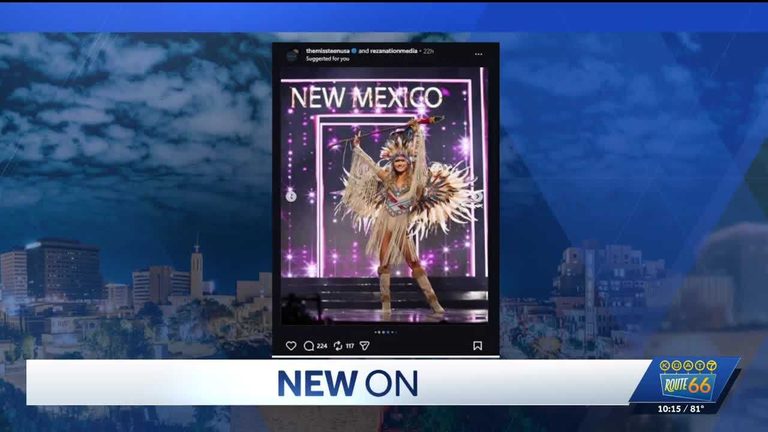
During the recent Miss New Mexico Teen USA competition, contestant Olivia Biggs wore a costume that many observers said mimicked traditional Native American regalia. The pageant, which asks participants to showcase outfits inspired by the state’s history and heritage, sparked a heated discussion when the design was presented.
Critics call the attire cultural appropriation
Several members of the audience and local observers voiced concern that the costume was not an authentic representation of any of New Mexico’s 23 recognized tribes. One critic stated, “It was not representative of any of the 23 tribes in New Mexico; you look at our traditional clothing, we do not dress like that, we do not look like that.” The comment reflects a broader sentiment that the outfit may have crossed the line from tribute into cultural appropriation.
Unclear background and lack of response
It remains uncertain whether Biggs herself is of Native American descent or whether she consulted tribal experts in creating the ensemble. Both the contestant and the pageant organizers have not responded to requests for comment, leaving the community without clarification on the design process.
Community reaction and the role of parental guidance
Parents and community leaders have expressed a desire for greater education on cultural sensitivity, especially in events that involve young participants. Many argue that teaching respect for the traditions of the state’s Indigenous peoples aligns with the values of strong families and responsible citizenship.
Pageant officials’ typical stance
Pageant organizers often emphasize that costume segments are meant to celebrate state heritage while encouraging creativity. In past years, the Miss New Mexico Teen USA competition has featured outfits honoring Hispanic, Spanish colonial, and Native American influences, typically after consultation with cultural advisors. This incident highlights the need for clear guidelines to ensure that representations are accurate and respectful.
Looking ahead
As the controversy unfolds, local cultural groups are urging the pageant to engage directly with tribal representatives to develop authentic attire for future competitions. The conversation underscores the importance of honoring the state’s diverse cultural legacy while fostering an environment where young women can express pride in their heritage without unintentionally causing offense.
Original reporting: KOAT Albuquerque — read the source article.