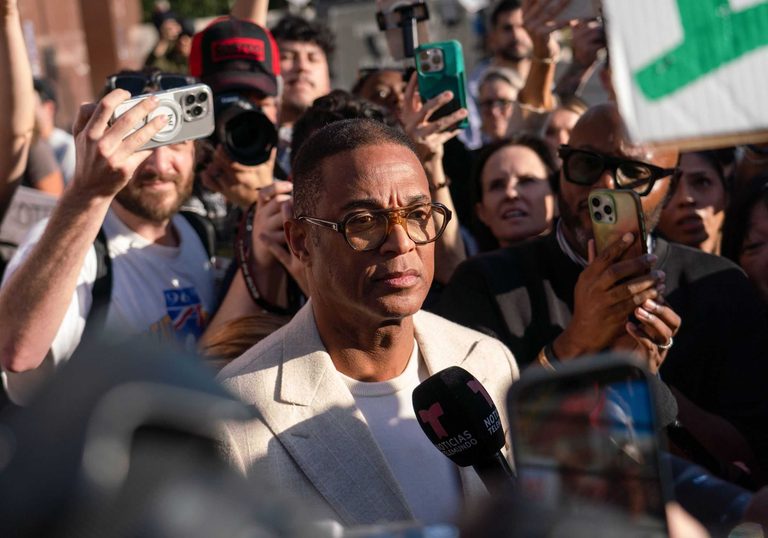
Federal Judge Laura Provinzino of the U.S. District Court in Minnesota issued a two‑page order on August 18 requiring the Justice Department to provide a broad set of grand jury records tied to the indictment of former CNN anchor Don Lemon and co‑defendant Georgia Fort. The order, which sets a Tuesday deadline for the Department’s response, asks for prosecutor presentations, legal instructions, witness testimony, closing arguments and any communications prosecutors had with jurors during the January‑February grand jury sessions.
Local judges scrutinize federal grand jury practices
Judge Provinzino’s move reflects a growing trend among federal judges to question the Department of Justice’s handling of grand jury proceedings. Courts in Wyoming, Illinois and Virginia have recently dismissed charges or issued strong admonishments after finding procedural missteps. In some jurisdictions, new local rules now require defendants to be notified when a grand jury declines to issue an indictment.
In Minnesota, Lemon’s defense team has repeatedly asked that the grand jury records be either provided to the defense or reviewed privately by the judge, arguing that “substantial evidence of grand‑jury irregularities” exists. The filing also points to prior rulings by the Eighth Circuit that found no probable cause to charge Lemon.
National context and DOJ response
The case began when a federal magistrate rejected an initial charge against Lemon for appearing alongside protesters who disrupted a church service in St. Paul. The rejection reportedly angered then‑Attorney General Pam Bondi. Lemon was later re‑indicted on charges of conspiring to violate constitutional rights and violating the FACE Act, which protects individuals exercising their First Amendment right to practice religion. He has pleaded not guilty.
Former Massachusetts District Court judge and federal prosecutor Mark Wolf told CNN that it is rare for defense attorneys to obtain grand jury transcripts in federal court, and even rarer for judges to grant such requests. He emphasized that a “high bar” exists and that defendants must show direct or circumstantial evidence of a defect in the grand jury process.
Broader implications for judicial oversight
Legal scholars and defense advocates argue that increased judicial scrutiny could lead to more transparency and accountability in federal prosecutions. Cato Institute fellow Mike Fox, a former public defender, suggested that every indictment should prompt a motion for a judge to review grand jury transcripts, regardless of jurisdiction.
Recent actions in other districts support this view. In Chicago, Judge April Perry ordered the release of grand jury transcripts in a case involving protesters at an ICE detention facility, uncovering prohibited prosecutor‑juror interactions. Following the review, the U.S. Attorney’s Office dropped the case and launched a historical review of over 100 grand jury transcripts, adding new training on ethics and grand jury practice.
Similarly, a three‑judge panel in Wyoming dismissed felony indictments after finding that prosecutors had improperly referred to defendants as “bad guys” and handed out business cards to jurors. While prosecutors later empaneled a new grand jury and issued a fresh indictment, the episode highlighted the potential for judicial intervention to correct prosecutorial overreach.
Justice Department’s stance
A Justice Department spokesperson said the agency provides regular training for prosecutors on grand jury practice and that “on rare occasions where an issue arises, we take immediate corrective action and provide renewed instruction on ethics.” The spokesperson added that U.S. Attorneys will “always follow the law and prosecute cases without fear or favor,” and declined to comment on the pending Lemon litigation.
The outcome of Judge Provinzino’s order could set a precedent for how federal courts handle requests for grand jury materials, potentially reshaping the balance between prosecutorial discretion and judicial oversight across the nation.
Original reporting: KCCI Des Moines — read the source article.