On Oct. 29, the Minneapolis City Council passed an ordinance that permits individuals experiencing homelessness to remain overnight in their cars at designated outdoor parking lots without being towed, ticketed, or asked to move. The measure also requires that service providers be available at those sites to connect people with shelter, housing, and health resources, a change that city officials say could reduce visible encampments while offering a safer alternative for those living in vehicles.
The ordinance follows a city‑wide ban on encampments that began almost two years ago after a police order allowed officers to take a more aggressive stance toward clearing tents. High‑profile clearings in south Minneapolis in 2024, including the Wall of Forgotten Natives and Camp Nenookaasi, were repeatedly dismantled, and Mayor Jacob Frey later highlighted a “dramatic reduction” in unsheltered homelessness, attributing the shift primarily to addiction rather than a lack of shelter.
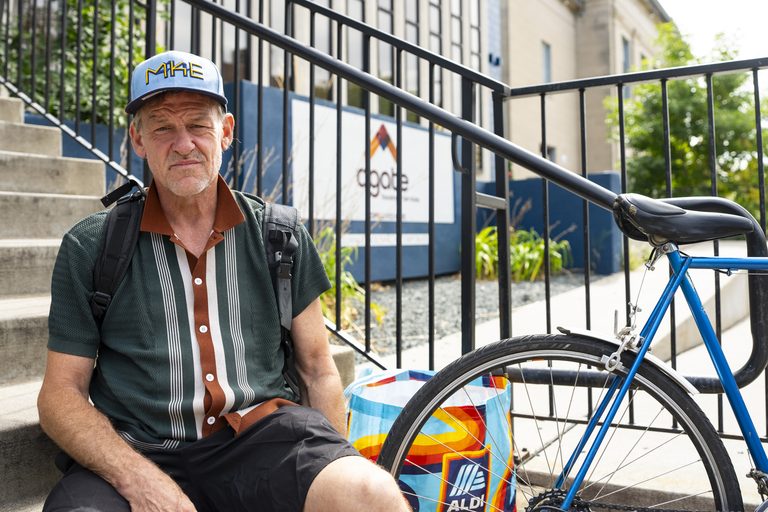
For many, the policy shift means a new daily reality. Jeremy Long, 54, was photographed outside Agate Housing and Services with a bicycle and documents, explaining that after 30 days of unsheltered living he now must find a place to eat, visit the post office, and secure money before he can rest. Long had been sleeping in an abandoned house on Lake and Hennepin streets, trying to avoid police attention. His story, reported by Sahan Journal, illustrates how the ban on encampments has pushed some unhoused residents into hidden, less visible situations.
City‑wide data paint a mixed picture. Hennepin County records show roughly 4,000 people experiencing homelessness each month since Jan. 2025, with a slight dip in July. An analysis by Sahan Journal found 4,401 people unsheltered in Jan. 2025, down by 461 to 3,940 that month, though officials caution the figure likely undercounts the true population. The county’s encampment dashboard logged over 300 encampments this year, though many are now scattered, making outreach more difficult.
Nonprofit Agate, which works to house unsheltered individuals, reported serving 2,732 people this year, up from 2,602 the prior year. The organization also noted it served over 6,200 people in FY 2025 and more than 7,200 in FY 2026, though those totals include repeat service users.
Experts warn that the plateau in numbers coincides with rising rent, SNAP cuts, dwindling COVID‑era housing funds, and increased eviction filings. Jay Wagner, director of holistic grantmaking at Twin Cities United Way, told Sahan Journal that even a small emergency can push families into crisis, noting that “the cost of making ends meet has really squeezed families so dramatically.”
United Way’s 211 hotline reflected the strain, receiving more than 1,700 calls about rent‑payment assistance in Hennepin County in Jan. 2026, up from 892 calls in the same month a year earlier. Calls spike at the beginning and end of each month, and mutual‑aid funds have largely dried up.
What’s next: City officials say the new car‑overnight sites will be operational this winter, with service providers stationed to offer immediate assistance. The council plans to review the ordinance’s impact in six months, and housing advocates will continue to monitor homelessness trends as rent pressures and funding cuts persist.
Sources: sahanjournal.com