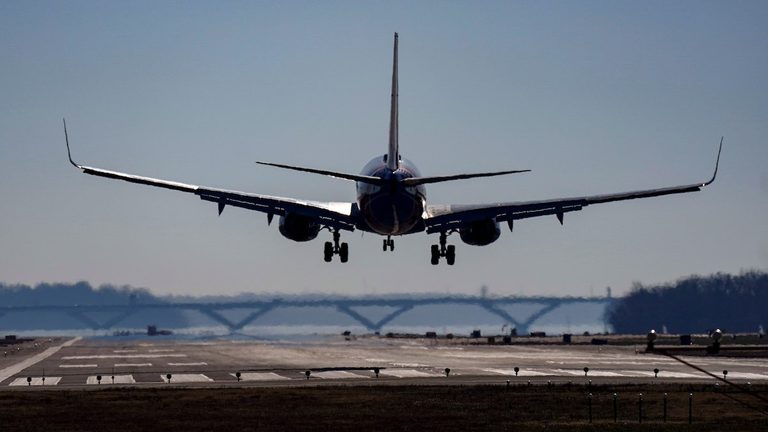
Jet lag can turn a dream vacation into a slog, causing sleep disturbances, daytime tiredness, headaches, and gastrointestinal symptoms. However, there are ways to minimize its effects through diet and hydration.
Eating to Beat Jet Lag
Registered dietitian Tara Schmidt suggests gradually shifting meal times before traveling to align with the destination time zone. Eating when locals eat can also help the body adjust. A 2023 study found that a hearty breakfast aligned with the new time zone can aid in recovery from jet lag.
Keeping meals small before and during travel can help avoid stomachaches, according to the U.S. Centers for Disease Control and Prevention. It’s also advisable to avoid alcohol, as it can disrupt sleep patterns. Caffeine should be consumed strategically, avoiding late-day intake that could interfere with sleep.
Staying Hydrated
Drinking water before, during, and after flights can combat the effects of dry cabin air. Aim for eight glasses of water a day at the destination, but adjust according to individual needs, weather, and exercise. Choosing bottled water if there are concerns about water safety is also recommended.
By implementing these dietary and hydration strategies, travelers can reduce the impact of jet lag and enjoy their vacations more fully.
Original reporting: NBC10 Boston — read the source article.