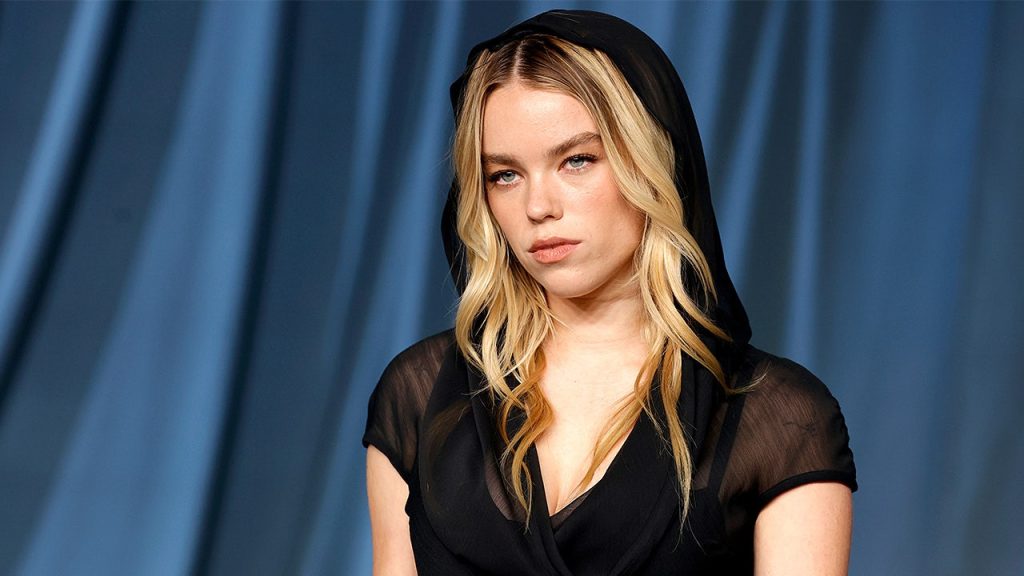
Milly Alcock, who rose to fame on HBO’s House of the Dragon and now headlines DC Studios’ Supergirl, is pushing back against online criticism as the film nears release in June; this piece follows her comments about anonymous social media attacks, the strain on women in major franchises, and how big studios like those run by James Gunn and Peter Safran fit into the conversation.
Milly Alcock has been living through a rapid change in public attention since playing young Rhaenyra Targaryen, and the spotlight only grew when she landed the lead in Supergirl. The actress says online criticism often comes from faceless corners of the internet and that the emotional energy behind fandom outrage can be overwhelming. She doesn’t sound bitter so much as battle-tested, describing how she’s learned to steer clear of the noise and keep working.
“But I mean, whose opinion do you really care about?” Alcock asked, cutting to the heart of how celebrity resilience gets tested. “If you’re p—ing the right kind of people off, you’re doing OK.” That line has been replayed by fans and critics alike because it captures both defiance and a weariness that comes with living in a public role tied to beloved franchises.
Alcock pointed out that a lot of the heat directed at her comes from accounts that feel engineered to provoke. “And it’s from a lot of people whose profiles have no photo, who are burner accounts,” she said, adding a detail about the performative nature of some profiles: “Or someone’s name and then ‘Dad of four, Christian,’ which is hilarious to me.” The image she paints is of comment sections as a theatre for performative outrage rather than genuine conversation.
Her remarks also tilt toward a deeper cultural observation about where people look for trust and guidance. Alcock suggested that people turn to online communities because traditional institutions don’t feel trustworthy, and that trend pushes intense feelings onto celebrities and fictional stories. “It just creates an unhealthy relationship with a person” who can’t live up to the expectations that strangers project onto them.
Alcock has been candid about the particular pressure women face in fan-heavy franchises. “It definitely made me aware that simply existing as a woman in that space is something that people comment on,” she said while talking about her transition from House of the Dragon to Supergirl. She added bluntly, “We have become very comfortable having this weird ownership of women’s bodies,” calling out a possessiveness that makes female performers a target beyond their work on screen.
The stress has a personal side: Alcock admitted fear about stepping into one of DC’s most iconic roles. “Of course I’m scared,” she said plainly, then acknowledged the reality actors face when audience reaction is partly out of their hands. “Of course, I want people to like me and the movie. But, ultimately, it’s out of my control.”
The Supergirl film is part of a reset for DC under James Gunn and Peter Safran, and that larger studio reboot gives extra weight to every casting choice and promotional moment. Alcock’s experience highlights how franchise launches now come with organized fandoms and highly visible backlash, and how performers must navigate both the artistic work and the digital battleground that surrounds it. The film is due in theaters in June, and the conversation around Alcock shows no sign of cooling down.