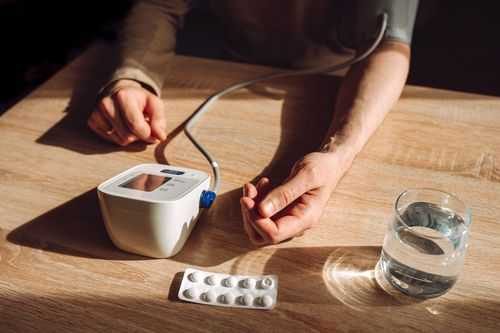
Nearly 1 in 3 adults in the United States with untreated high blood pressure would benefit from treatment and are not getting it, according to a new study. The study, published in the Journal of the American Heart Association, analyzed National Health and Nutrition Examination Survey data from 2009 to 2018.
New Guidelines
The American Heart Association and American College of Cardiology have updated guidelines that redefine an adult’s risk for cardiovascular disease. Nearly 10 million Americans now meet these guidelines and may be eligible for blood pressure-lowering medication.
Doctors want blood pressure to fall below 120 mmHg systolic and 80 mmHg diastolic. If blood pressure is around 130/80, doctors have typically advised people to make lifestyle changes, such as increasing exercise. The American Heart Association’s new PREVENT tool considers blood sugar, kidney function, and a person’s decade-long risk for heart disease, as well as blood pressure.
Expanding Treatment
Expanding treatment could save lives. The study found that becoming eligible to receive blood pressure medication was associated with a 23% lower risk of dying compared with no treatment. When it comes to the chances of dying from a heart-related issue, risk dropped by 50%.
Any eligible person shouldn’t hesitate to start taking medication in addition to making lifestyle changes to reduce long-term risks. Controlling high blood pressure is a long-term commitment to health. A key inventory of five daily habits can help: level of physical activity, diet, substance use, stress levels, and a healthy weight.
Original reporting: 40/29 / KHBS (NW Arkansas) — read the source article.