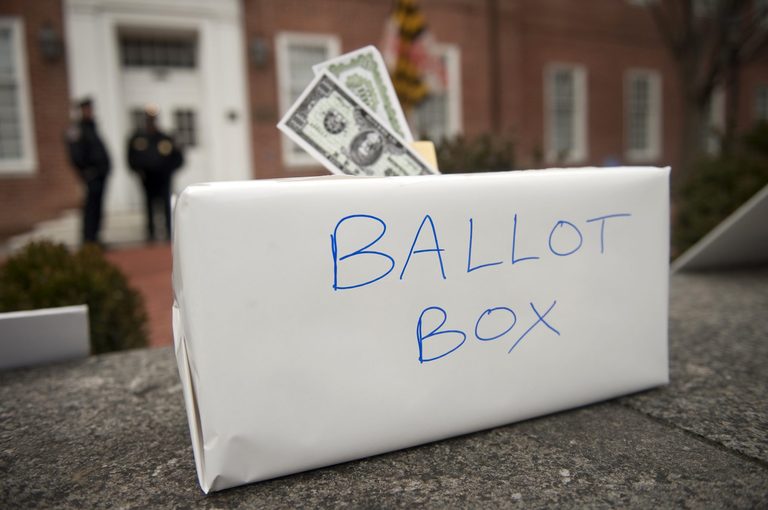
Michigan voters will decide on a significant change to campaign finance law this November. Proposal 2, appearing on the 2026 midterm ballot, seeks to prohibit regulated utility companies and government contractors with sizable state contracts from contributing to political campaigns.
What the measure would change
At present, Michigan law does not restrict regulated utilities such as DTE Energy and Consumers Energy, nor does it limit large contractors that receive more than $250,000 annually in state contracts, from giving money directly or indirectly to candidates for public office. A “yes” vote on Proposal 2 would amend state law to bar these entities from making any campaign contributions.
The initiative also expands existing campaign‑finance regulations by requiring more detailed donor information. This increased transparency is intended to give voters a clearer picture of who is attempting to influence elected officials.
Why the proposal matters to Michigan families
Supporters argue that limiting corporate money in politics protects the voice of ordinary citizens, especially families who rely on affordable utility services and want their elected leaders to be accountable to the public rather than to powerful business interests. By removing the ability of utilities and large contractors to fund campaigns, the measure aims to reduce the perception that policy decisions are bought.
Proponents, including several faith‑based community groups, say the initiative aligns with traditional family values by promoting honest governance and safeguarding the public good. They contend that a government free from undue corporate influence better serves the moral and economic well‑being of Michigan neighborhoods.
Opposition and concerns
Critics, including the Michigan Chamber of Commerce and some industry trade associations, warn that the proposal could hamper the ability of businesses to engage in lawful political speech. They note that the measure targets entities that already contribute to a range of charitable and community programs, and that restricting contributions may limit their capacity to support causes important to local families.
Opponents also argue that the $250,000 threshold for contractors could unintentionally affect smaller firms that merely meet the spending level, potentially reducing their participation in civic dialogue.
How to vote
Voting “yes” on Proposal 2 will change the law to bar regulated utilities and large government contractors from making campaign contributions and will tighten donor‑reporting requirements. Voting “no” will keep the current system, which allows these entities to continue contributing under existing rules.
Michigan residents can find the full text of the proposal on the state’s official election website and are encouraged to review the language carefully before casting their ballot.
What’s next
The measure will appear on the ballot for the November 2026 general election. Election officials will provide polling locations and voting deadlines in the coming weeks. Voters who wish to learn more about the implications of Proposal 2 can attend local town‑hall meetings or consult the Michigan Secretary of State’s voter information guide.
Original reporting: Warren | FOX 2 Detroit — read the source article.