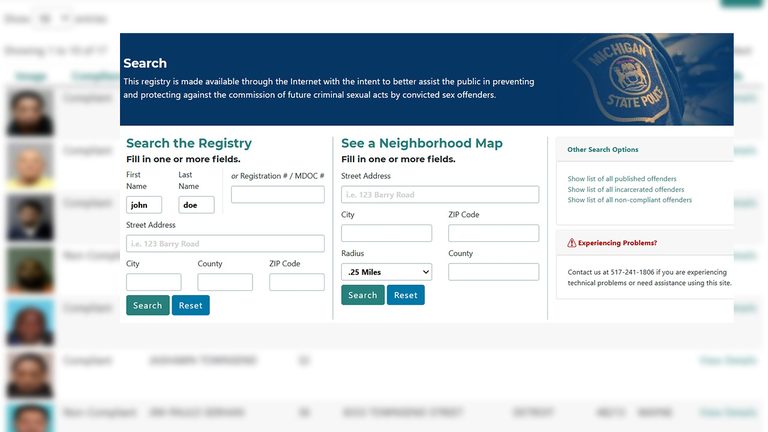
On September 9, the Michigan Supreme Court ruled that the 2021 amendments to the Sex Offender Registration Act (SORA) could not be applied retroactively to individuals who committed offenses before July 1, 2011. The court found that extending registration periods for those offenders violated the state constitution, which bars retroactive increases in punishment.
What the ruling means
Michigan’s registry, maintained by the Michigan State Police (MSP), listed roughly 43,000 offenders before the court’s order. After the decision, MSP removed more than 20,000 names—those whose original registration terms had already expired under the pre‑2011 law. The removed individuals had served the full duration required at the time of their sentencing and were no longer subject to the lifetime registration that later amendments imposed.
Background on the registration law
Prior to July 2011, Michigan law required offenders to register for a limited period, after which their obligations ended. In 2011 and again in 2022, lawmakers amended SORA, extending many registration periods to a lifetime requirement. Those changes were intended to increase public safety, but the Supreme Court determined that applying them to past convictions constituted an unconstitutional retroactive penalty.
Impact on current registrants
Offenders whose crimes occurred on or after July 1, 2011 remain on the registry under the current law, which typically mandates lifetime registration. The court’s decision does not affect those individuals, and they must continue to comply with the existing registration requirements, including restrictions on where they may live and work.
Official response
Colonel James F. Grady II, director of the Michigan State Police, issued a statement confirming the agency’s compliance with the court order. “The MSP did not make this change to the law. However, the department maintains the database, is required to comply with the Court’s order and is taking the necessary steps to implement the ruling,” Grady said. He added that any efforts to modify the law should be directed to the state Legislature.
What residents should know
Members of the public can still access the registry’s public website for information on current registrants. If anyone believes an error remains in the database—such as an offender who should have been removed or a missing entry—they are encouraged to contact the Sex Offender Registry Unit or the local law‑enforcement agency where the offender’s address is listed.
Legal context
The court’s decision underscores the importance of constitutional limits on retroactive legislation. By striking down the retroactive application of the 2021 SORA amendments, the justices reinforced the principle that penalties imposed for past crimes cannot be altered by later statutes.
Michigan lawmakers may consider revising the registration framework to address public‑safety concerns while respecting constitutional safeguards. Until such legislative action occurs, the current registry will continue to reflect the court‑mandated removal of the 20,000 outdated entries.
Original reporting: Warren | FOX 2 Detroit — read the source article.